
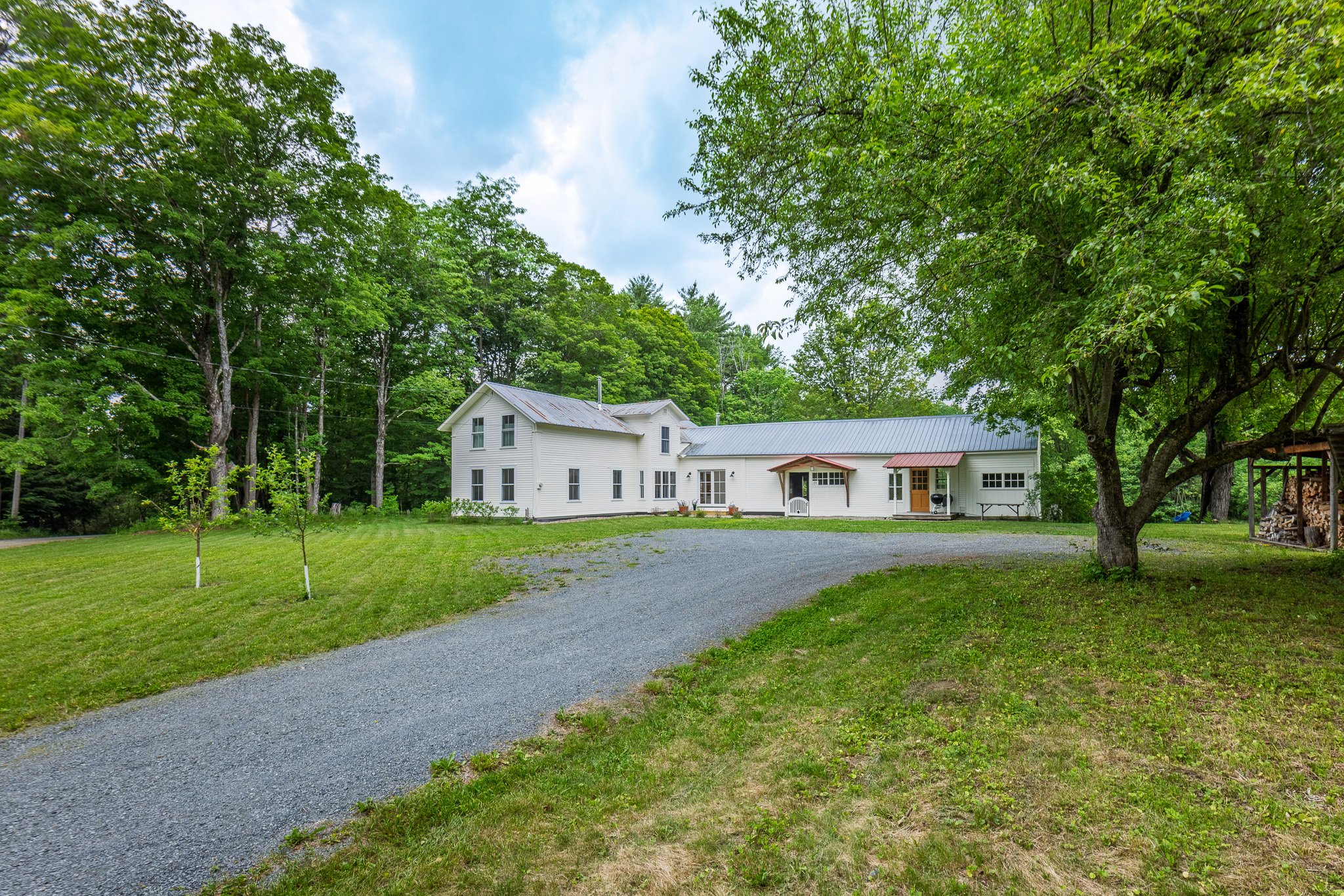
21 Squag City Road | Cornish NH
$725,000
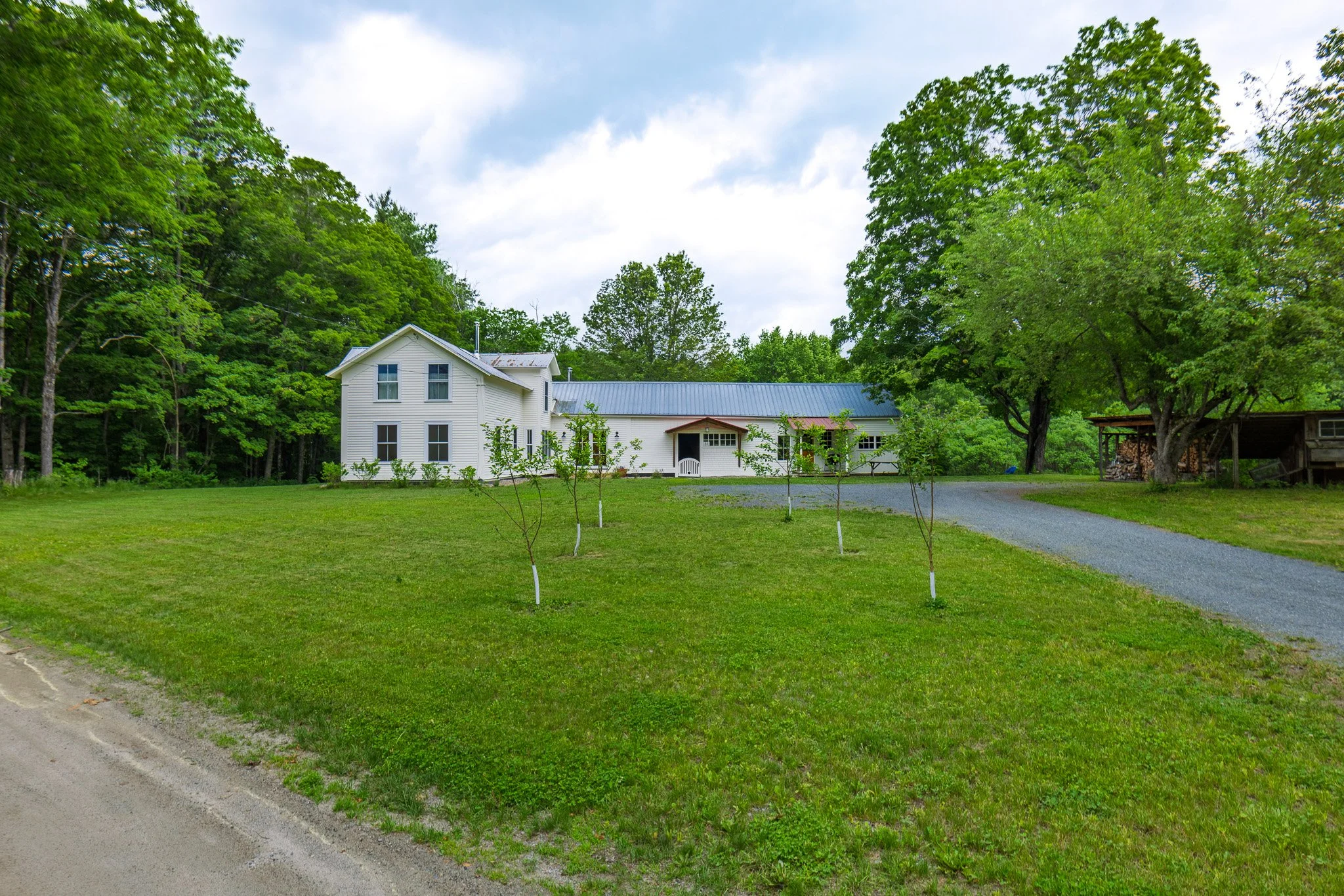
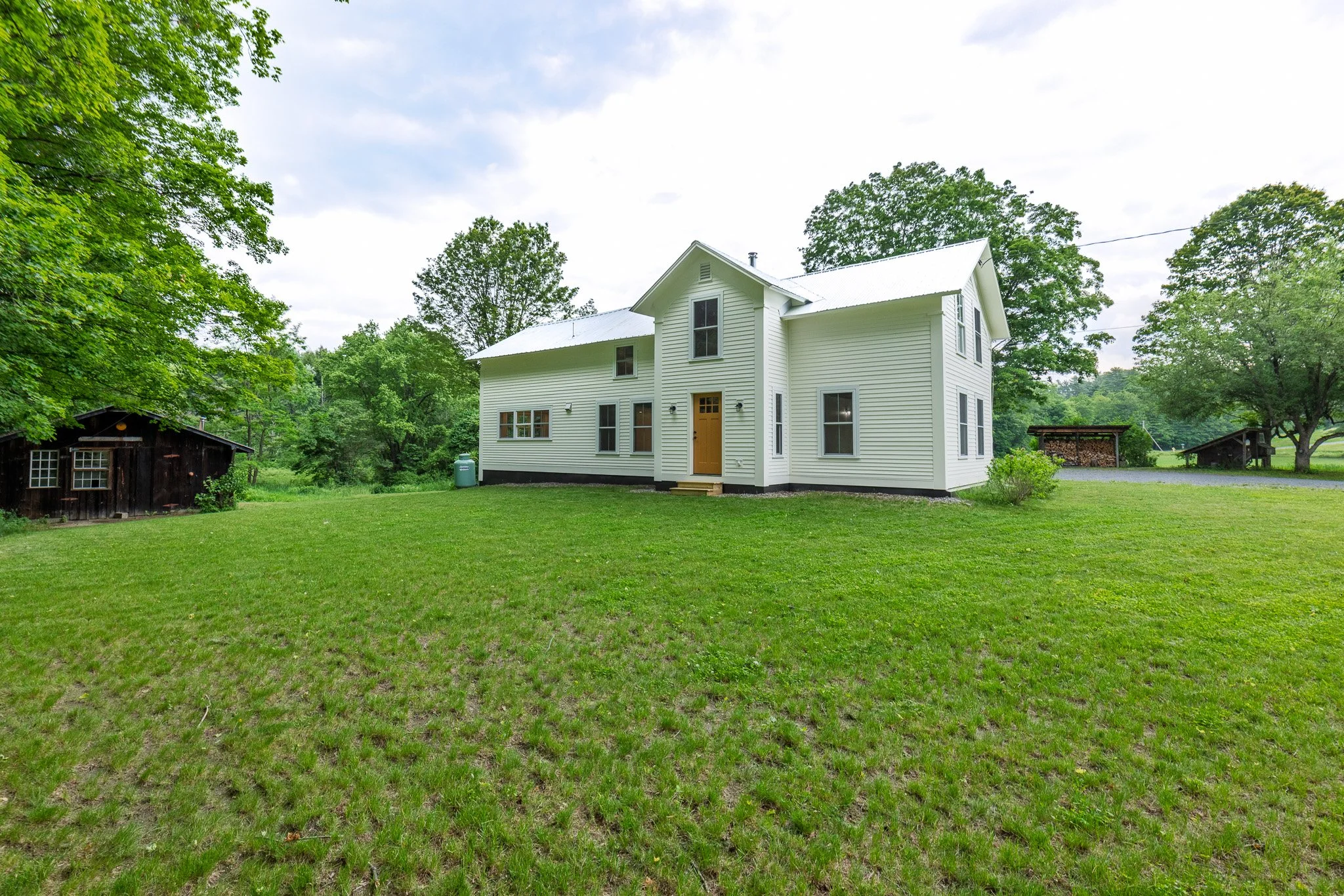
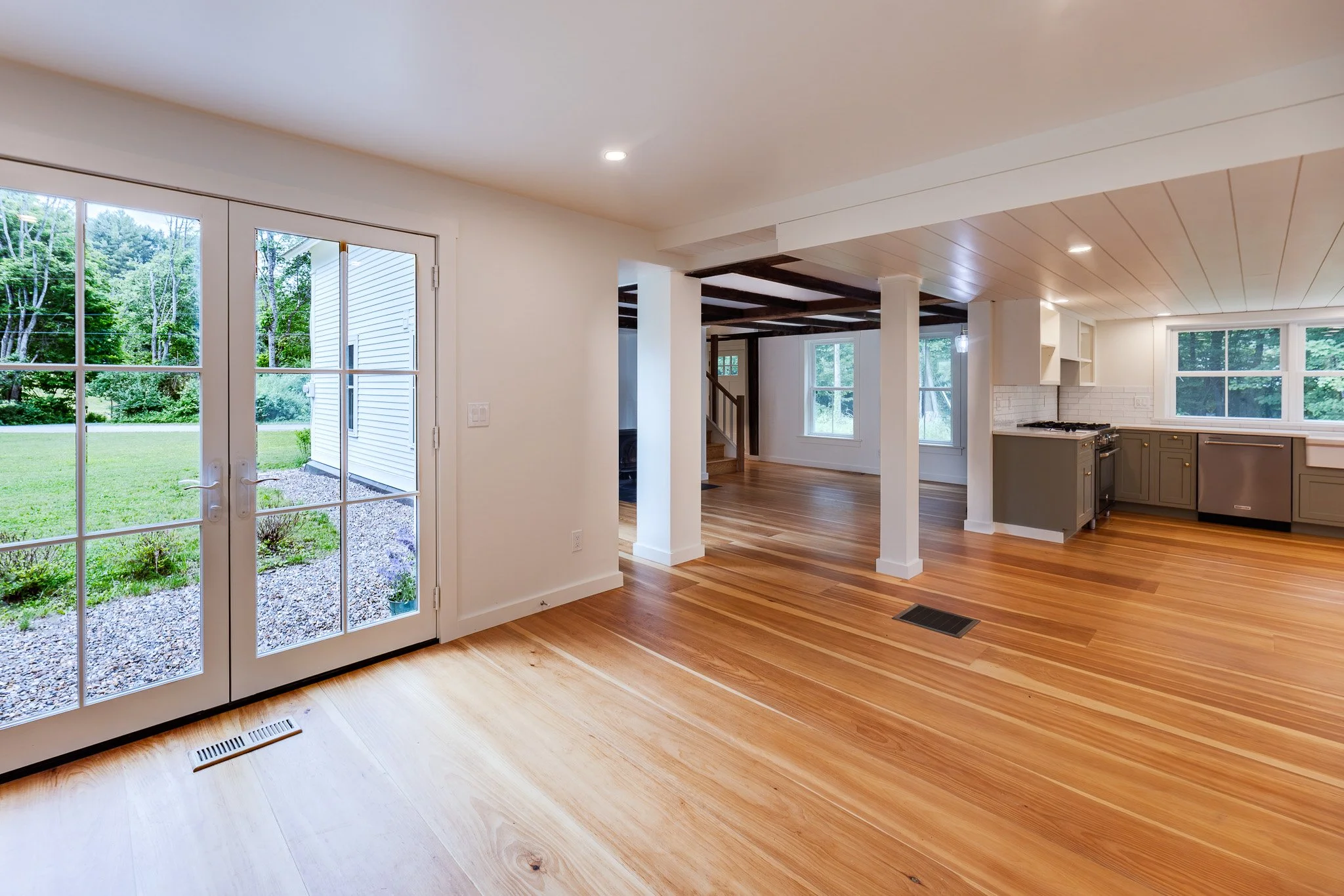
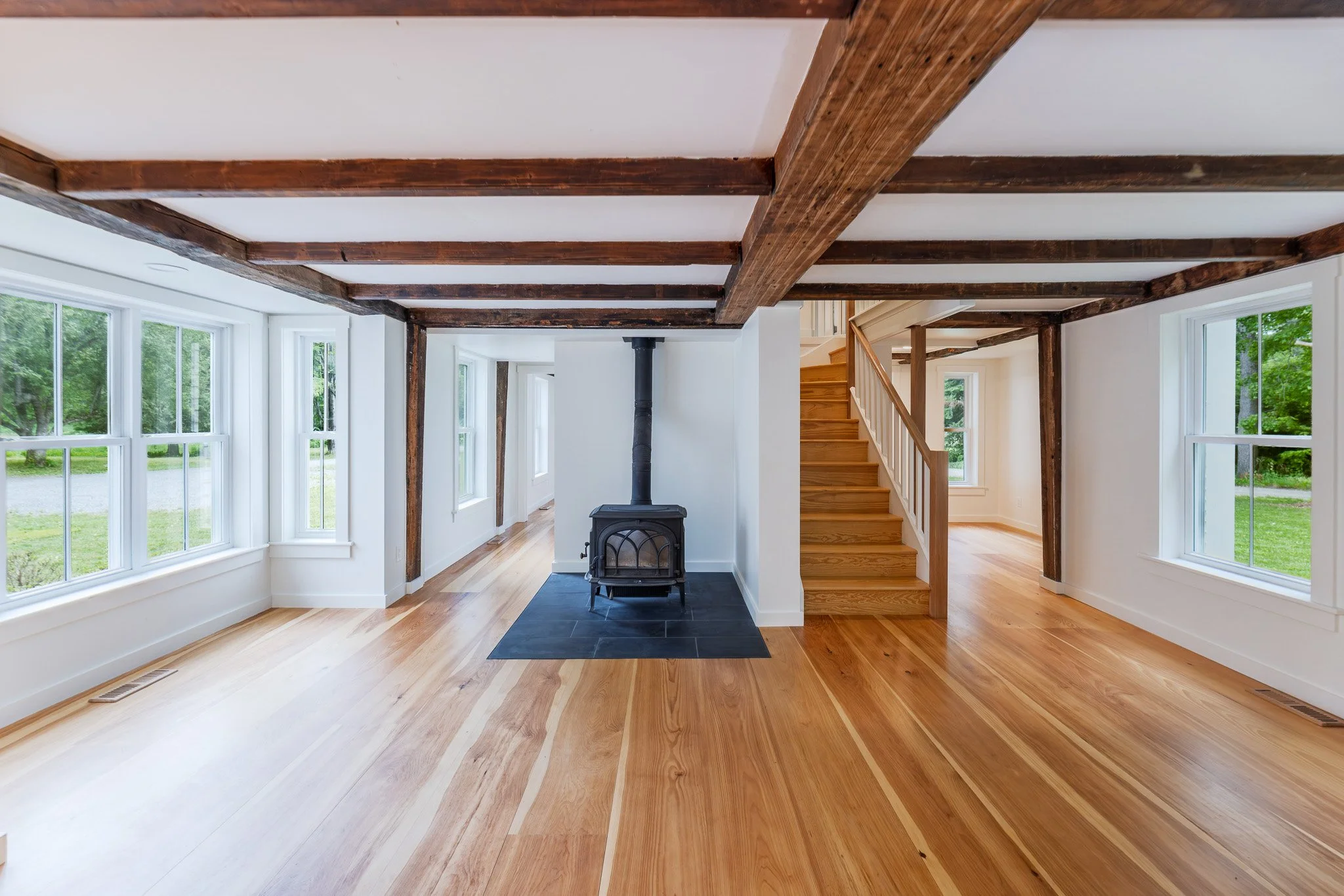
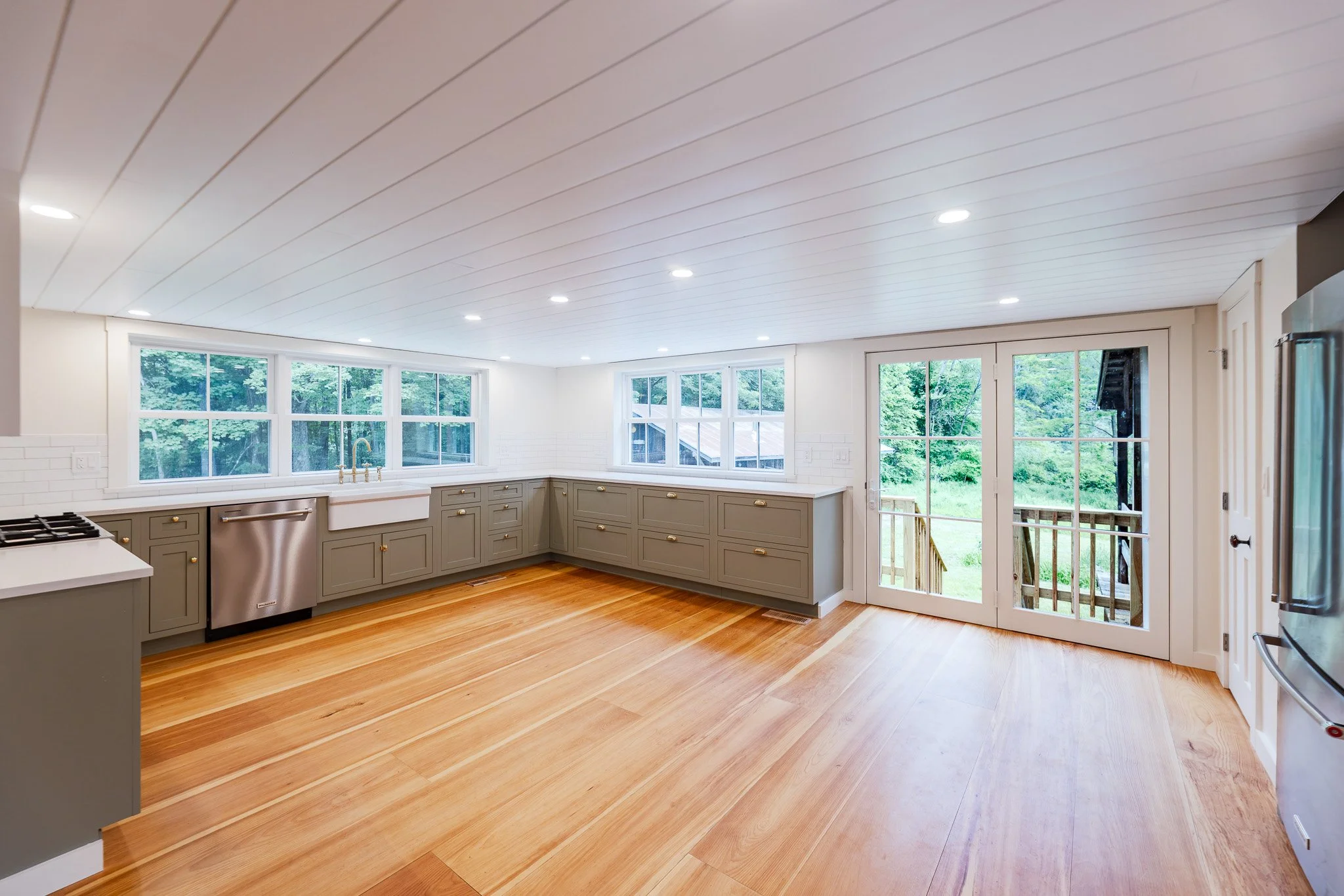
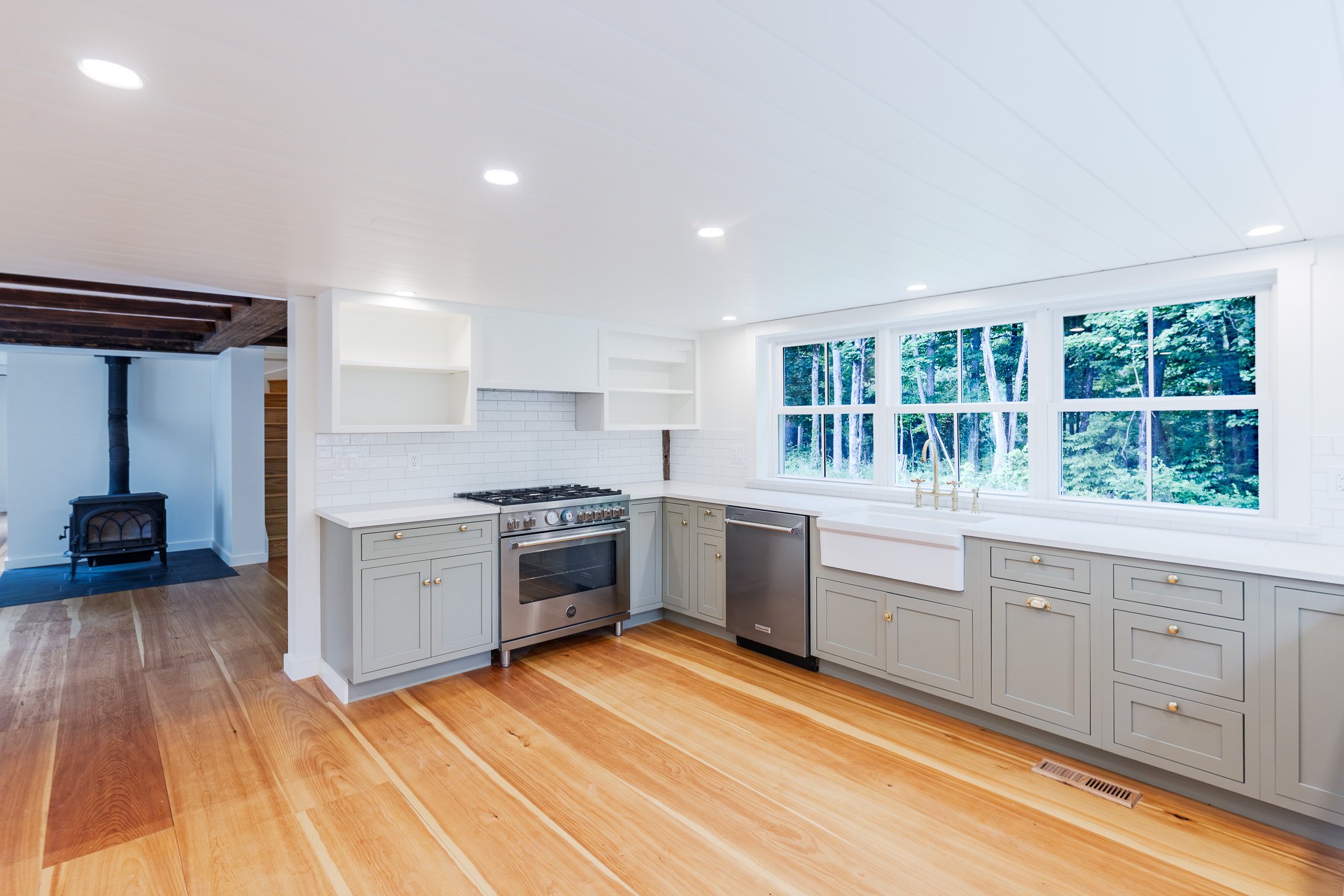
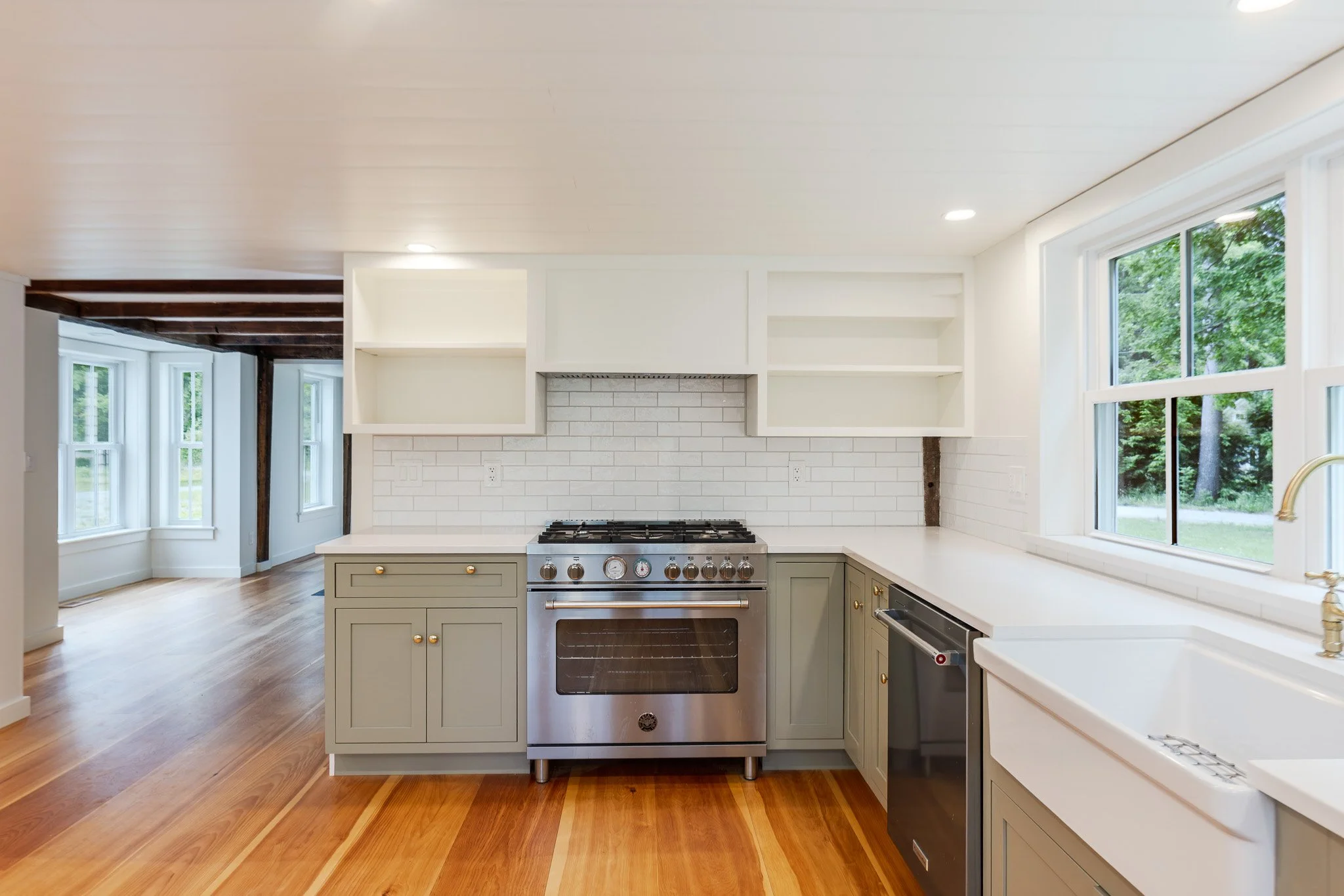
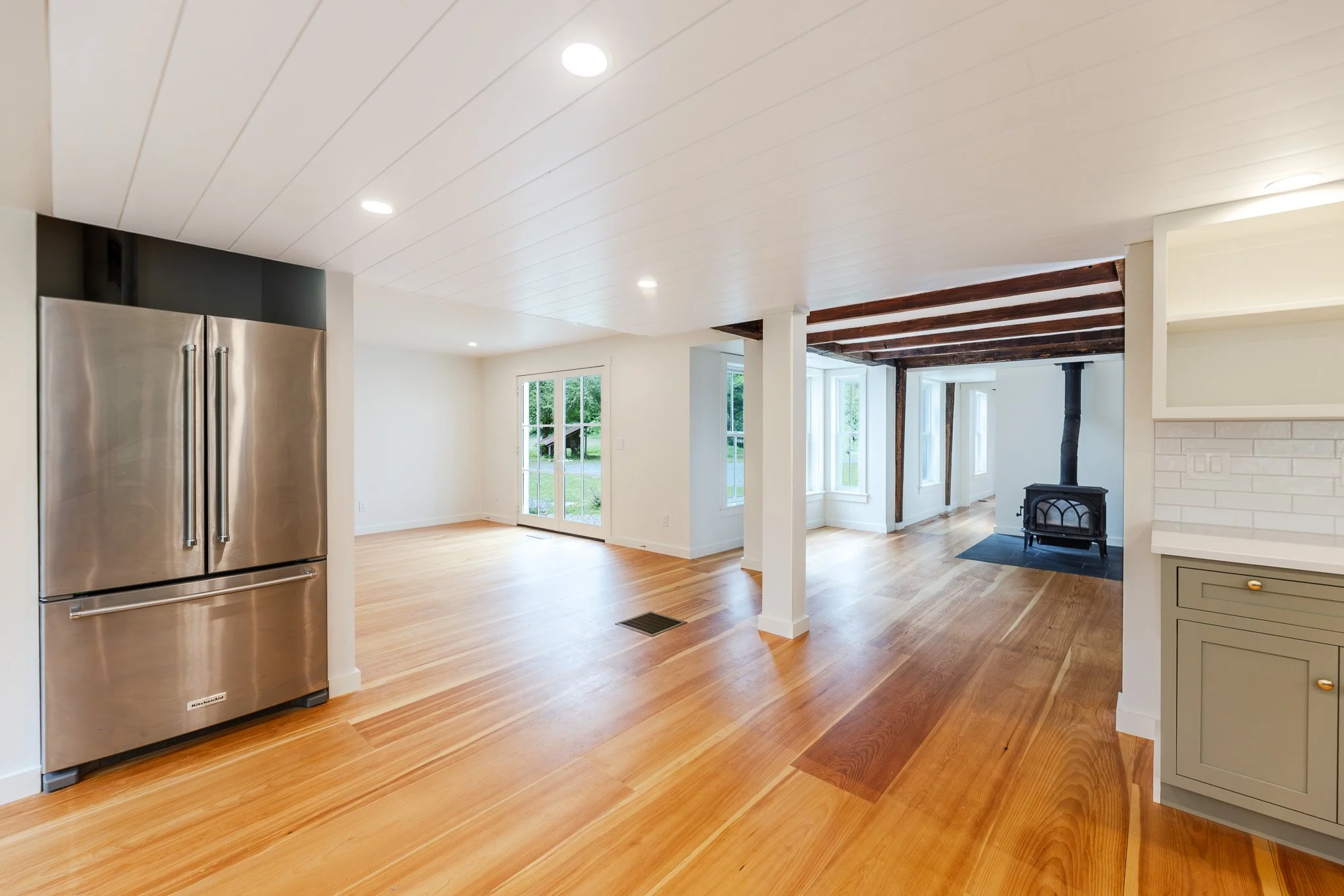
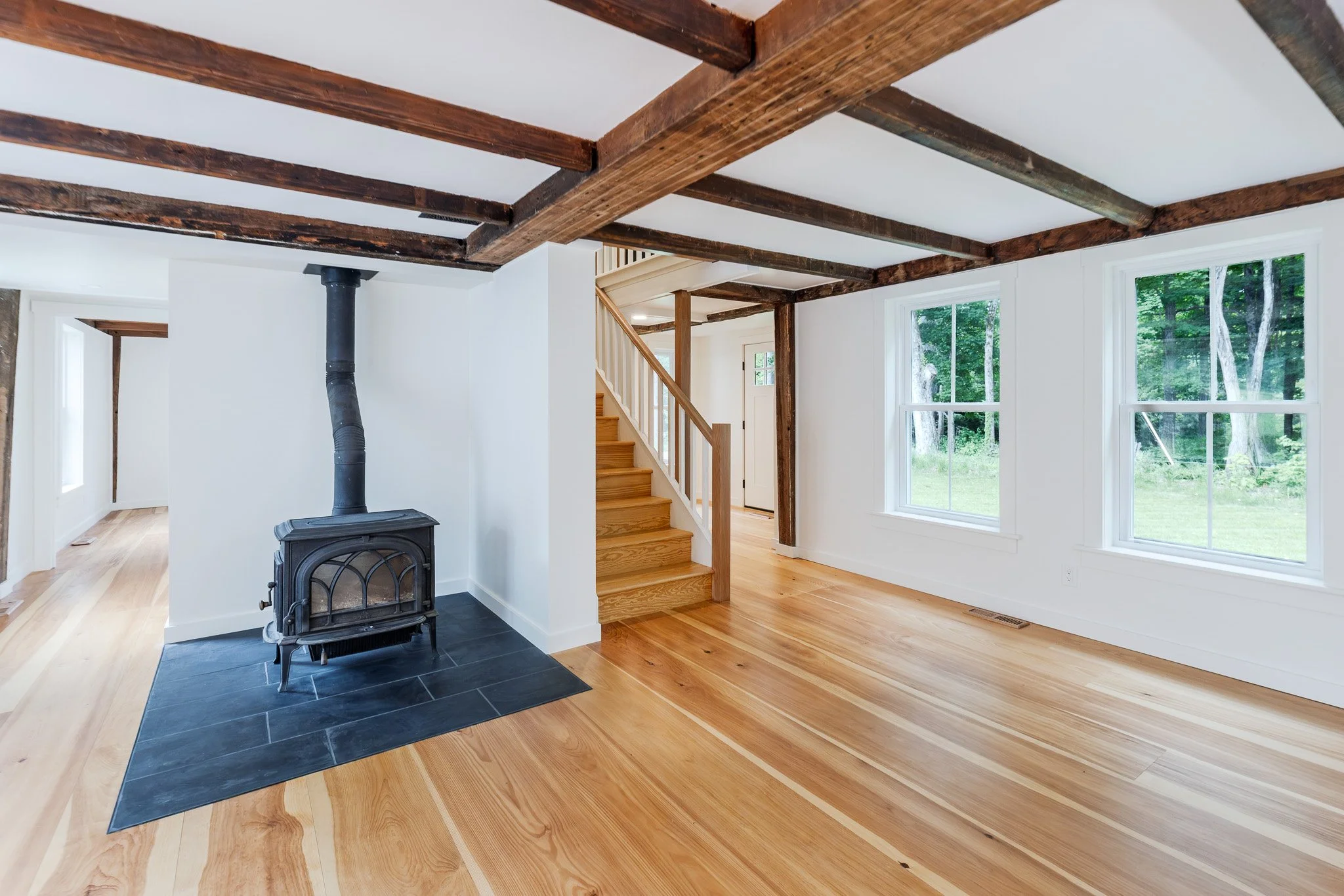
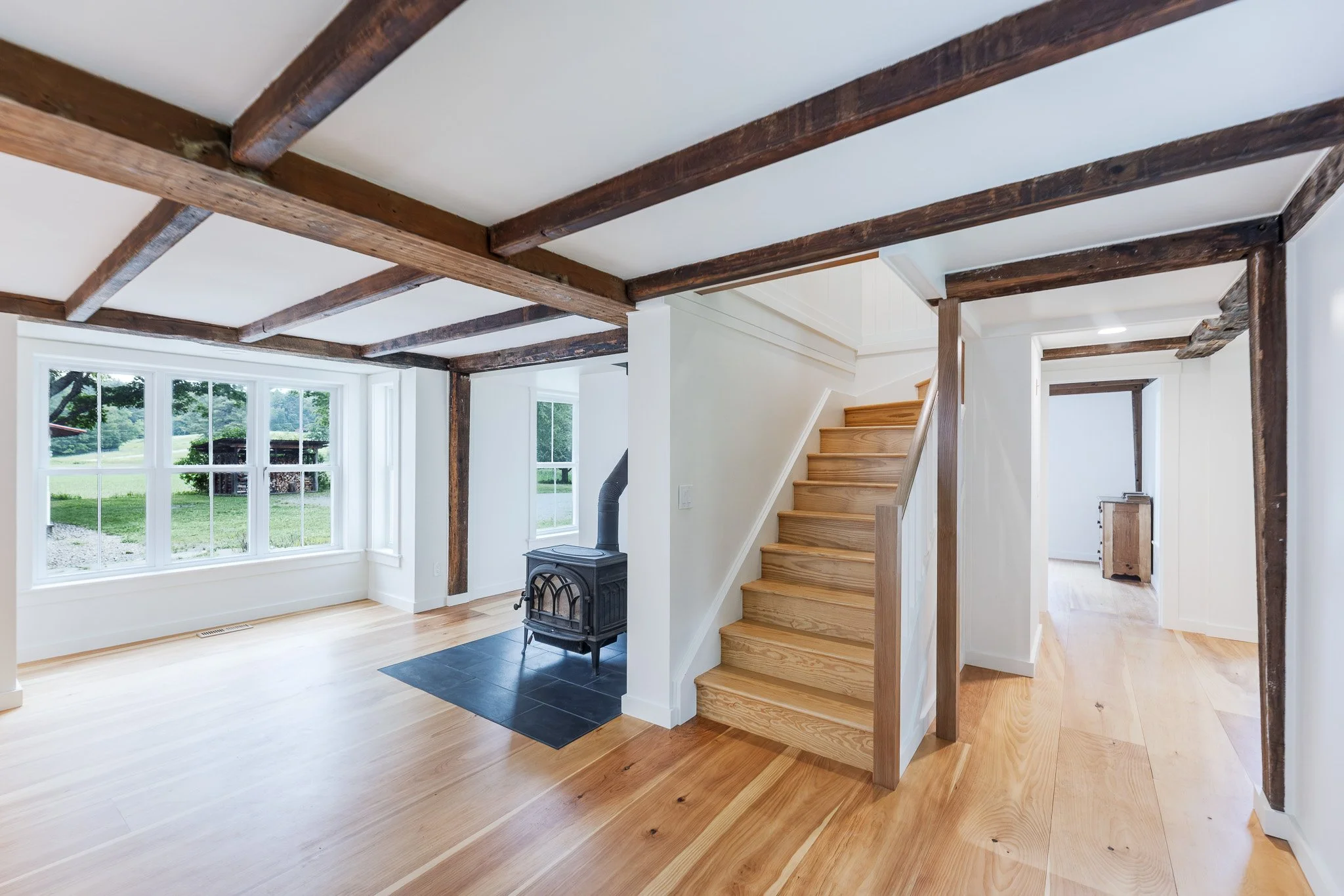
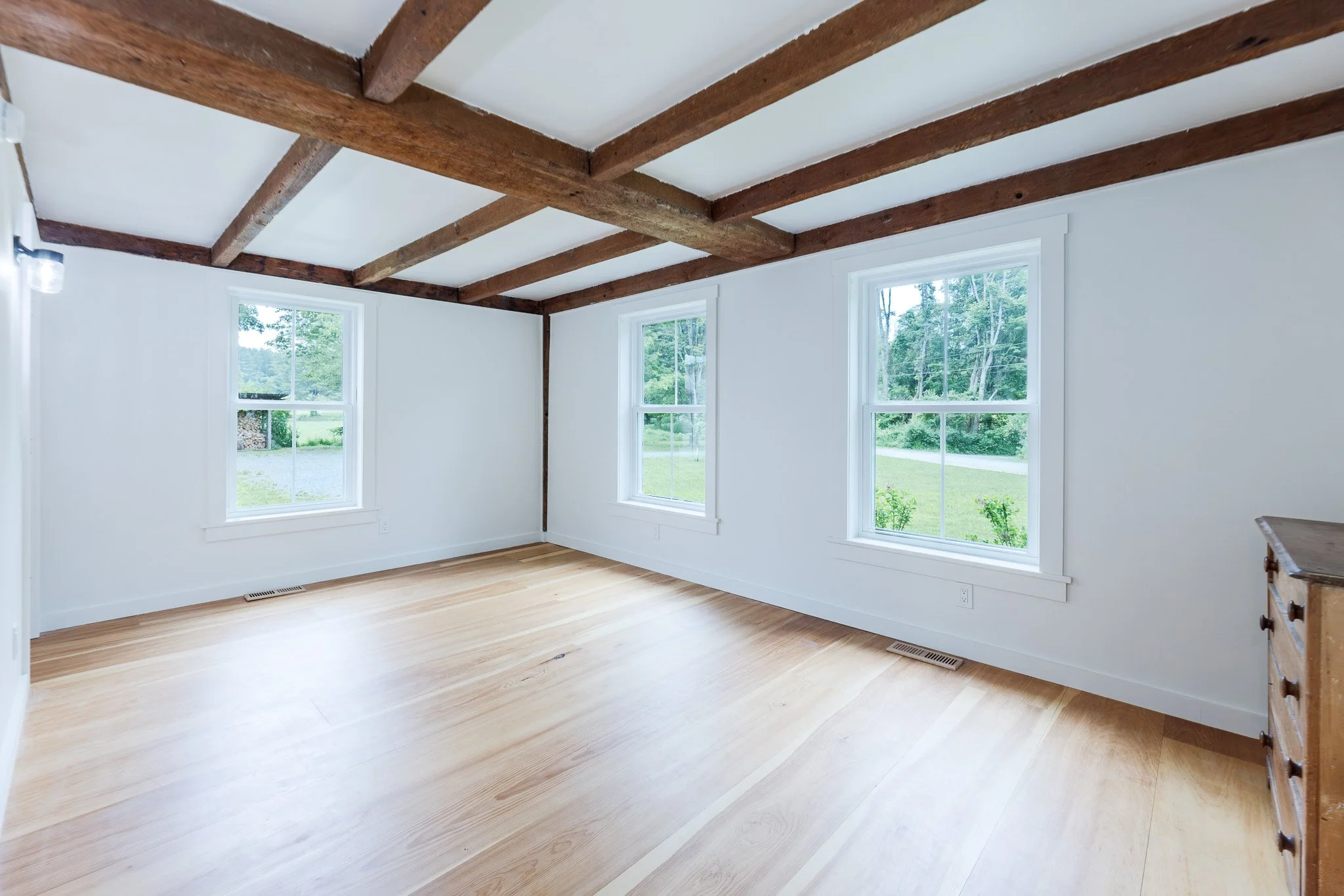
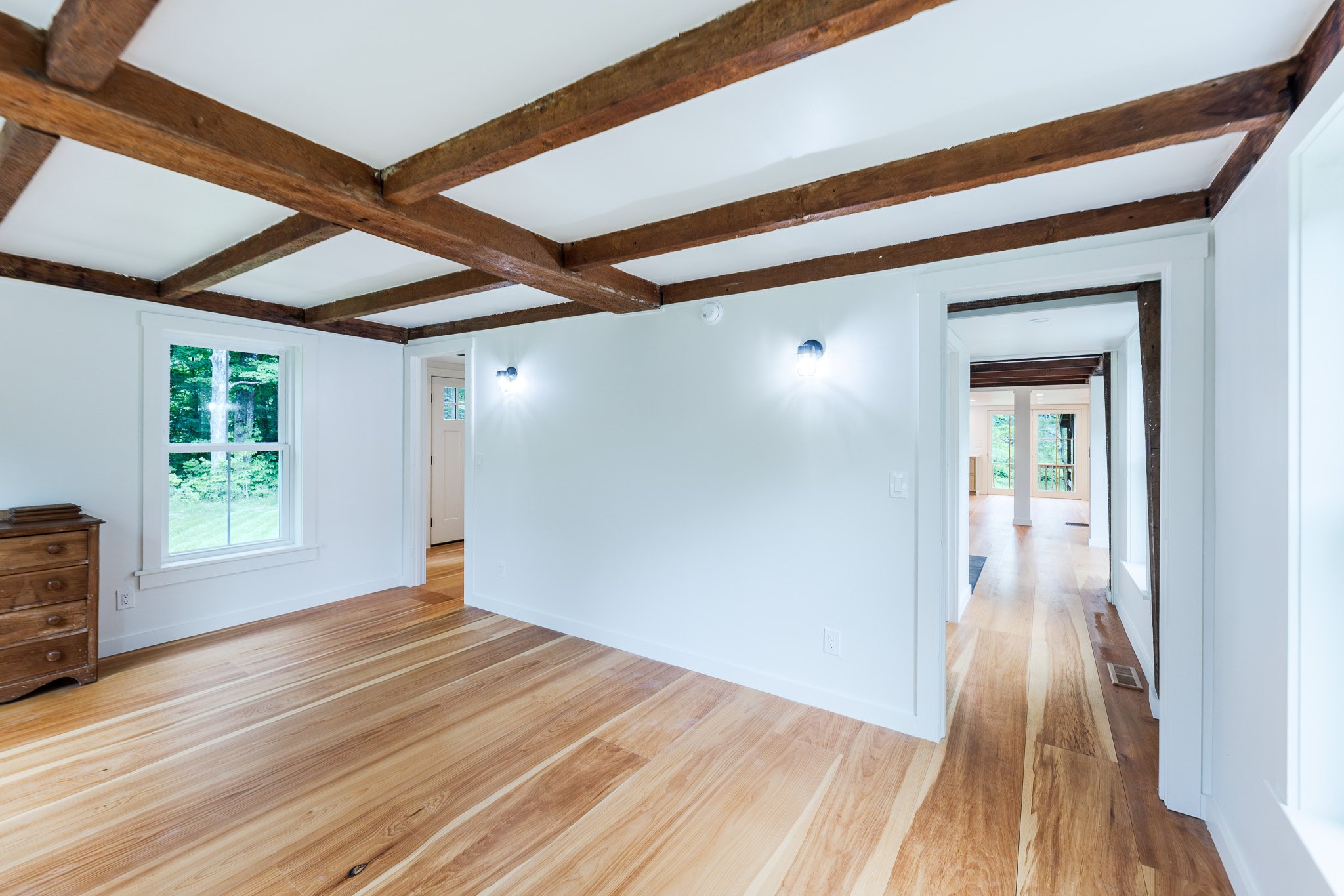
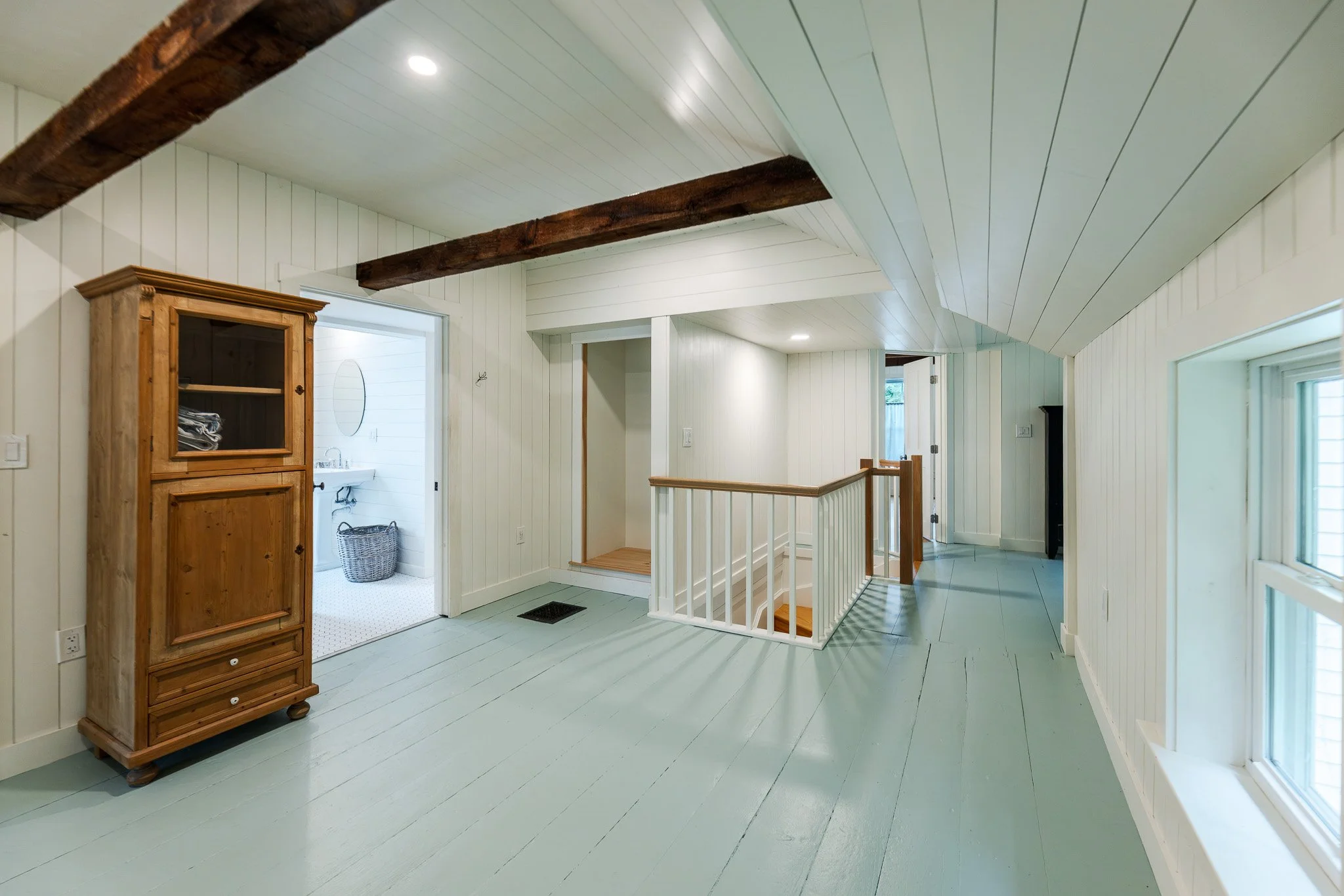
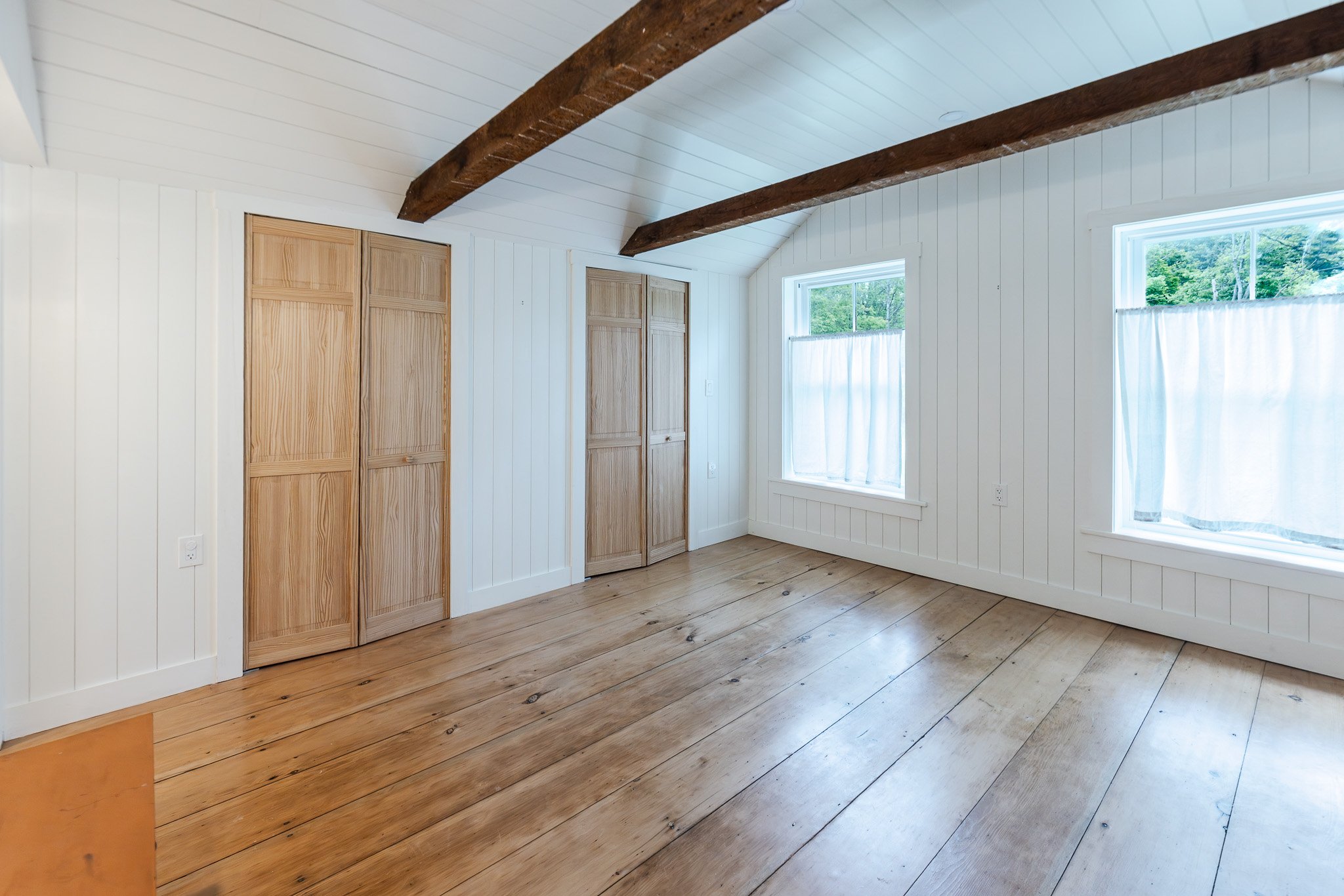
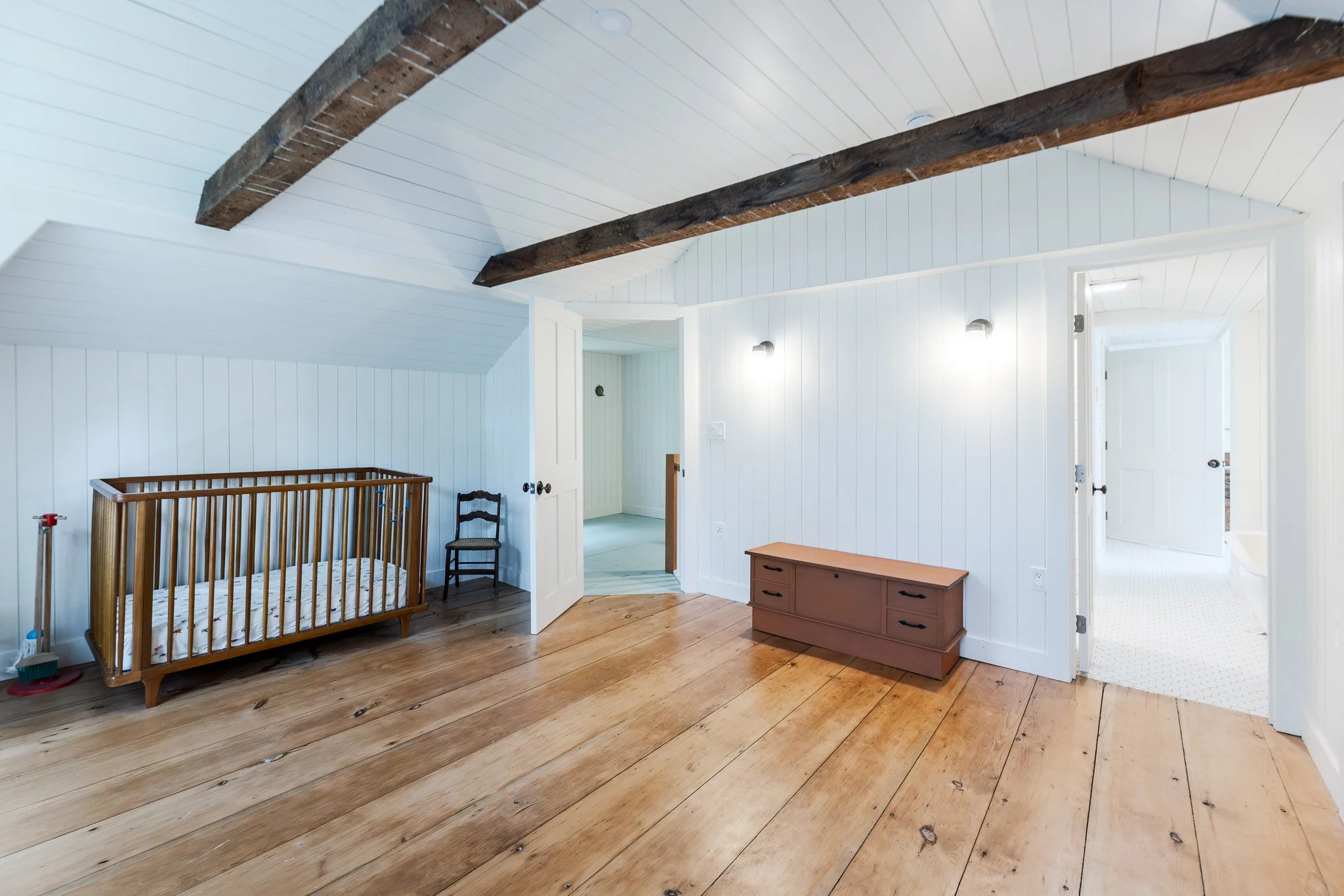
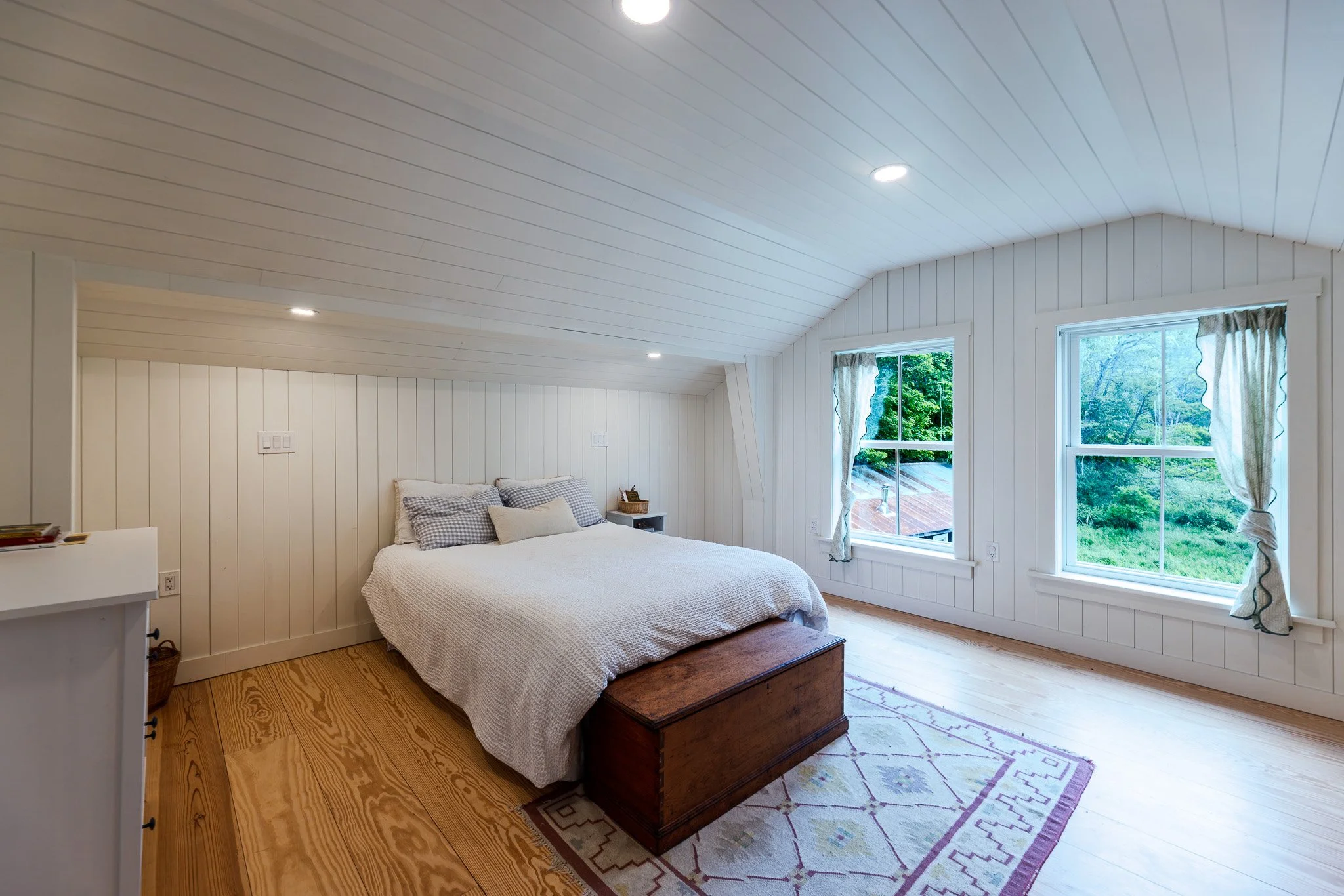
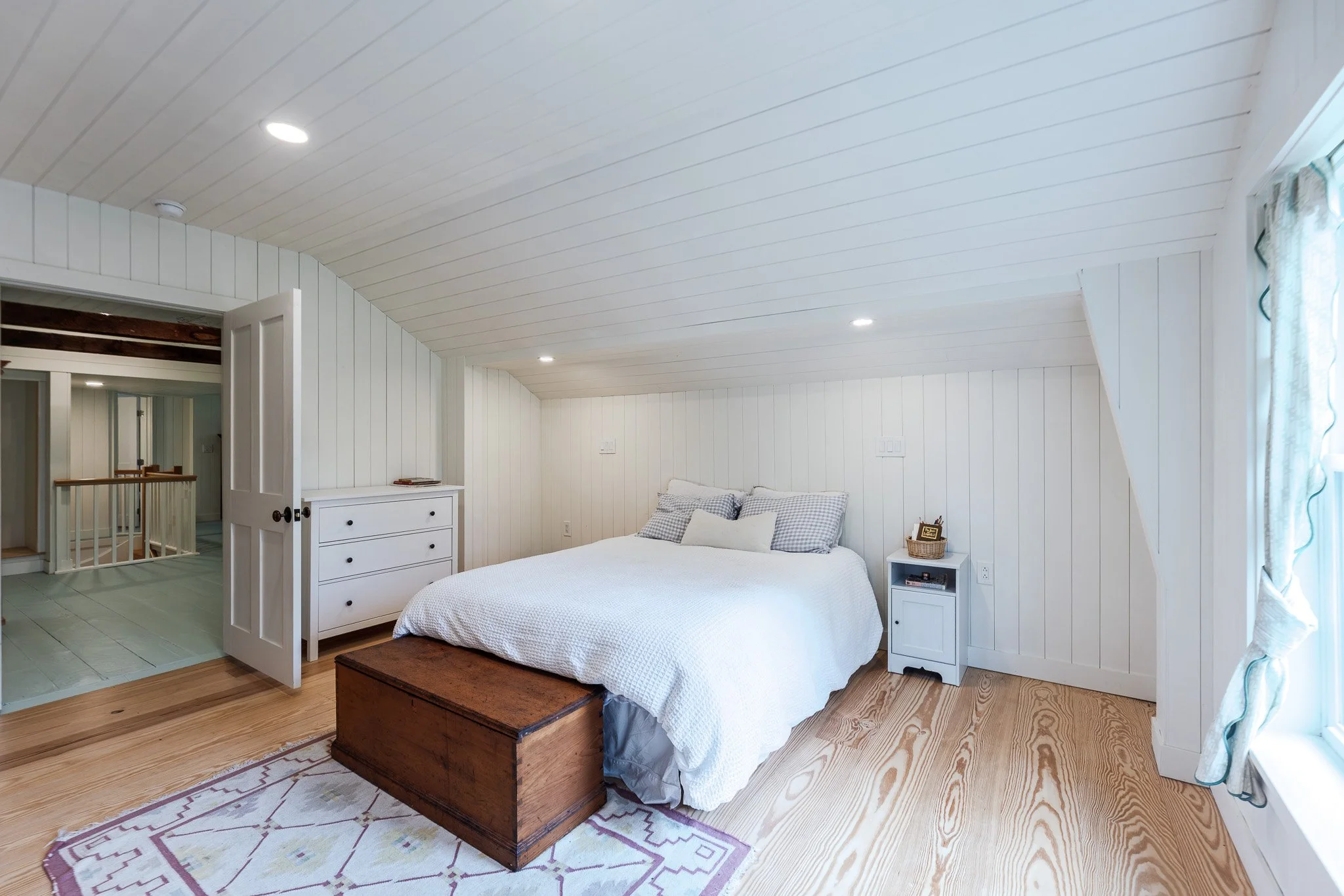
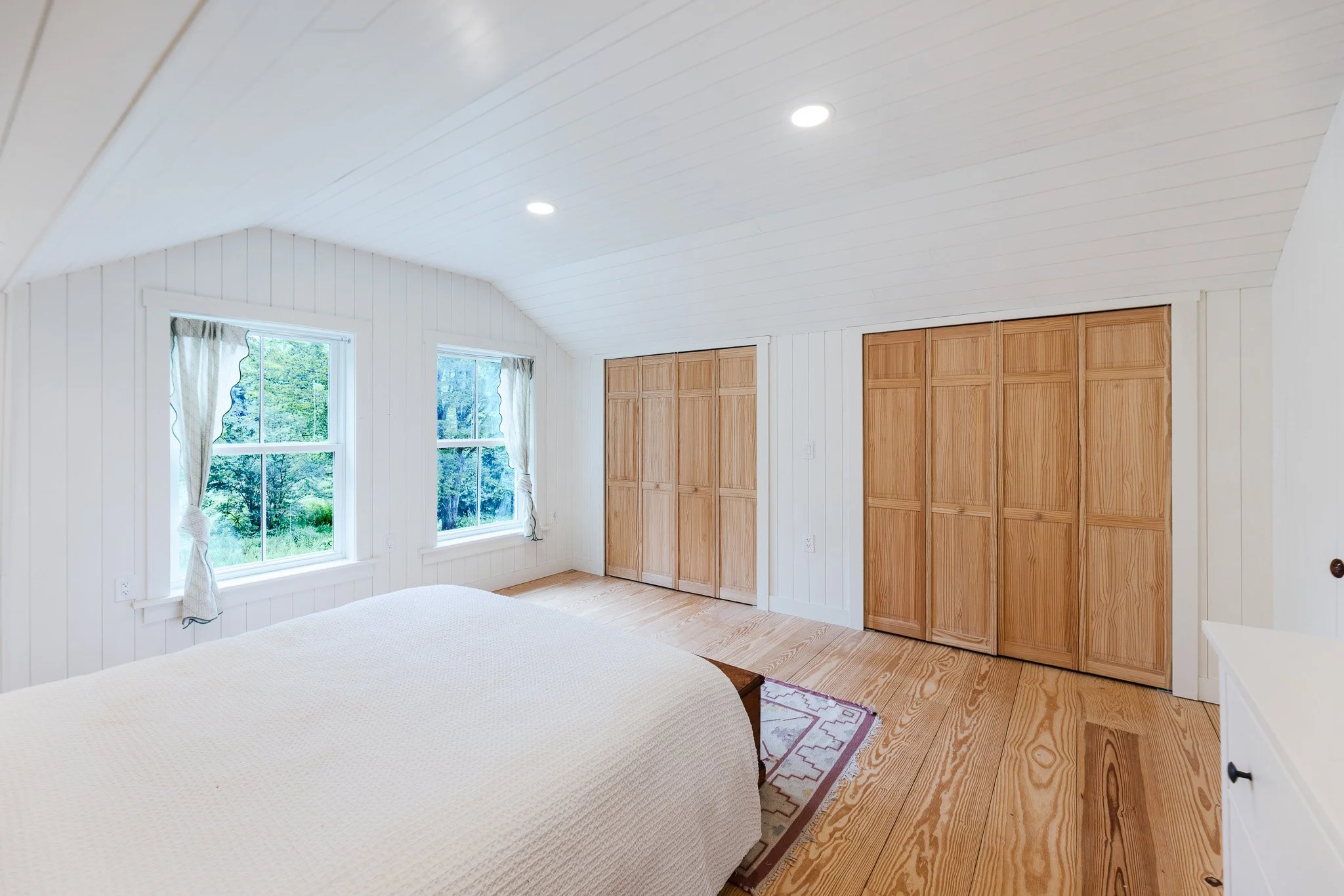
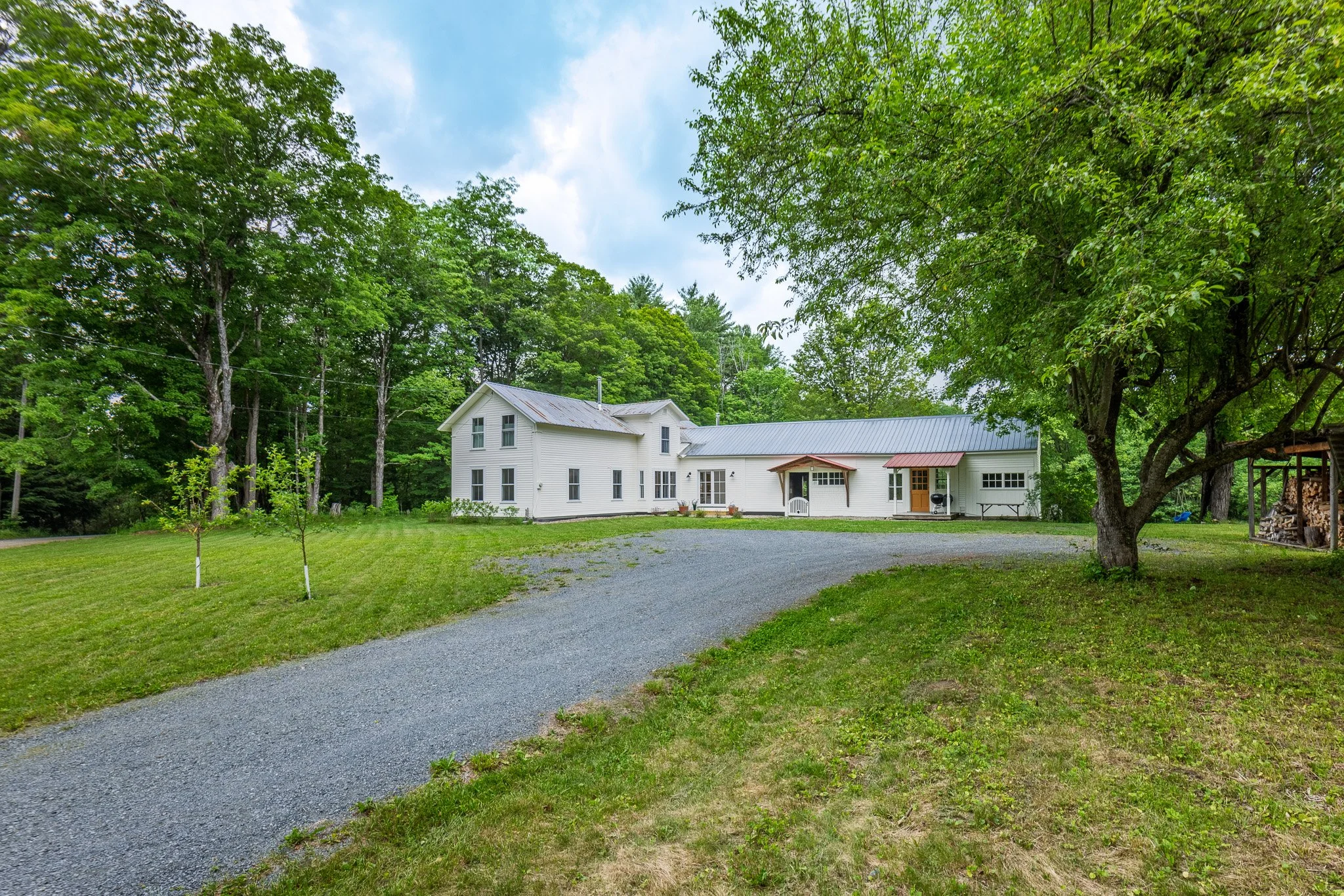
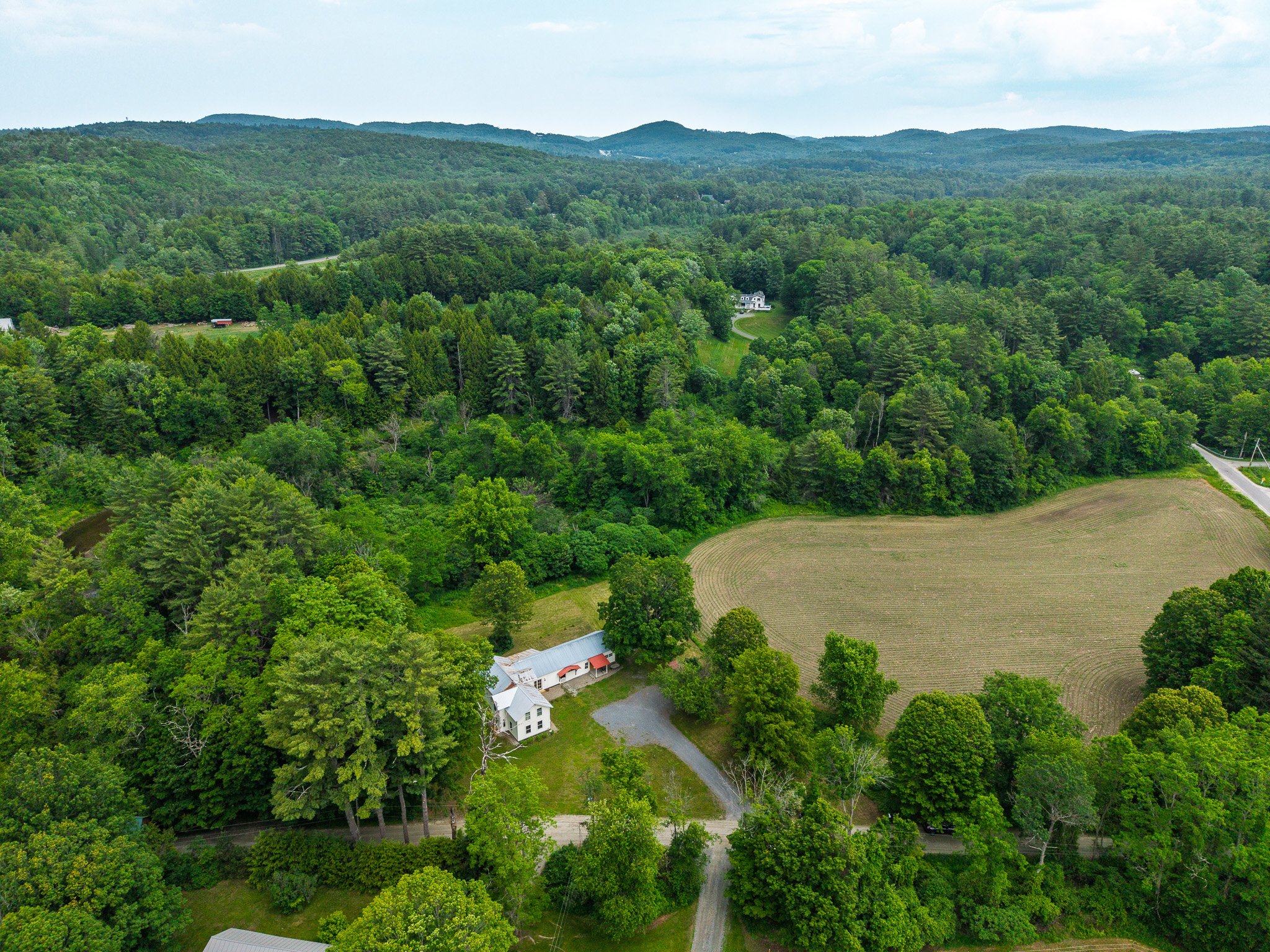
Surrounded by the landscapes that inspired generations of artists in the former Cornish Art Colony, where grand old homes from another era keep watch, sits a homestead that has been lovingly and extensively restored by the current owners. The interior is a complete, custom renovation, with all the charm. It feels like the farmhouse you've been picturing for years: wide pine floors underfoot, post-and-beam bones overhead, and vertical nickel-gap shiplap that adds warmth and dimension. At the center of it all is a custom kitchen built around the idea that the best nights happen when everyone crowds in. Source a big farmhouse table for friends and family to gather around, pour the wine, and let dinner take its time.
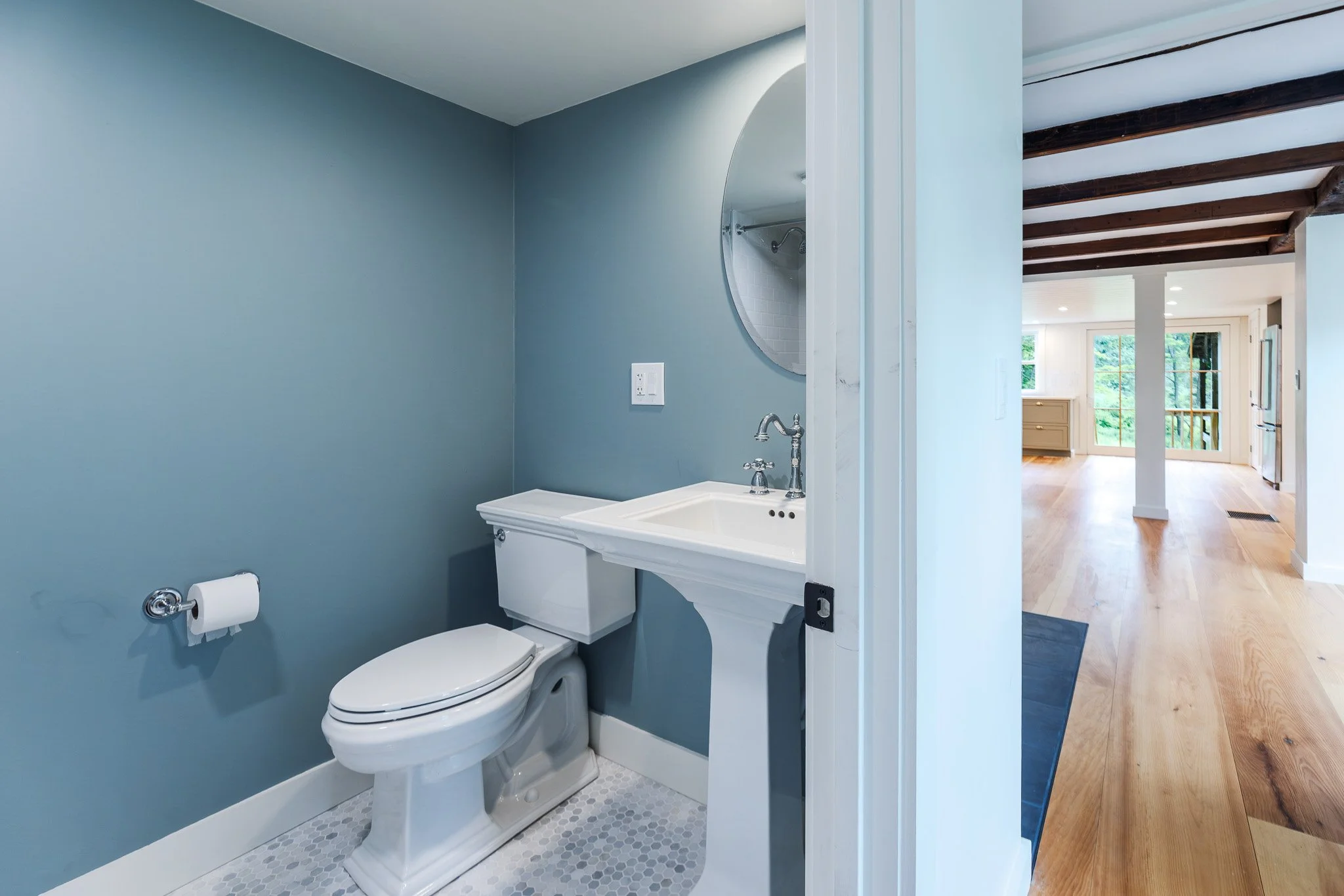
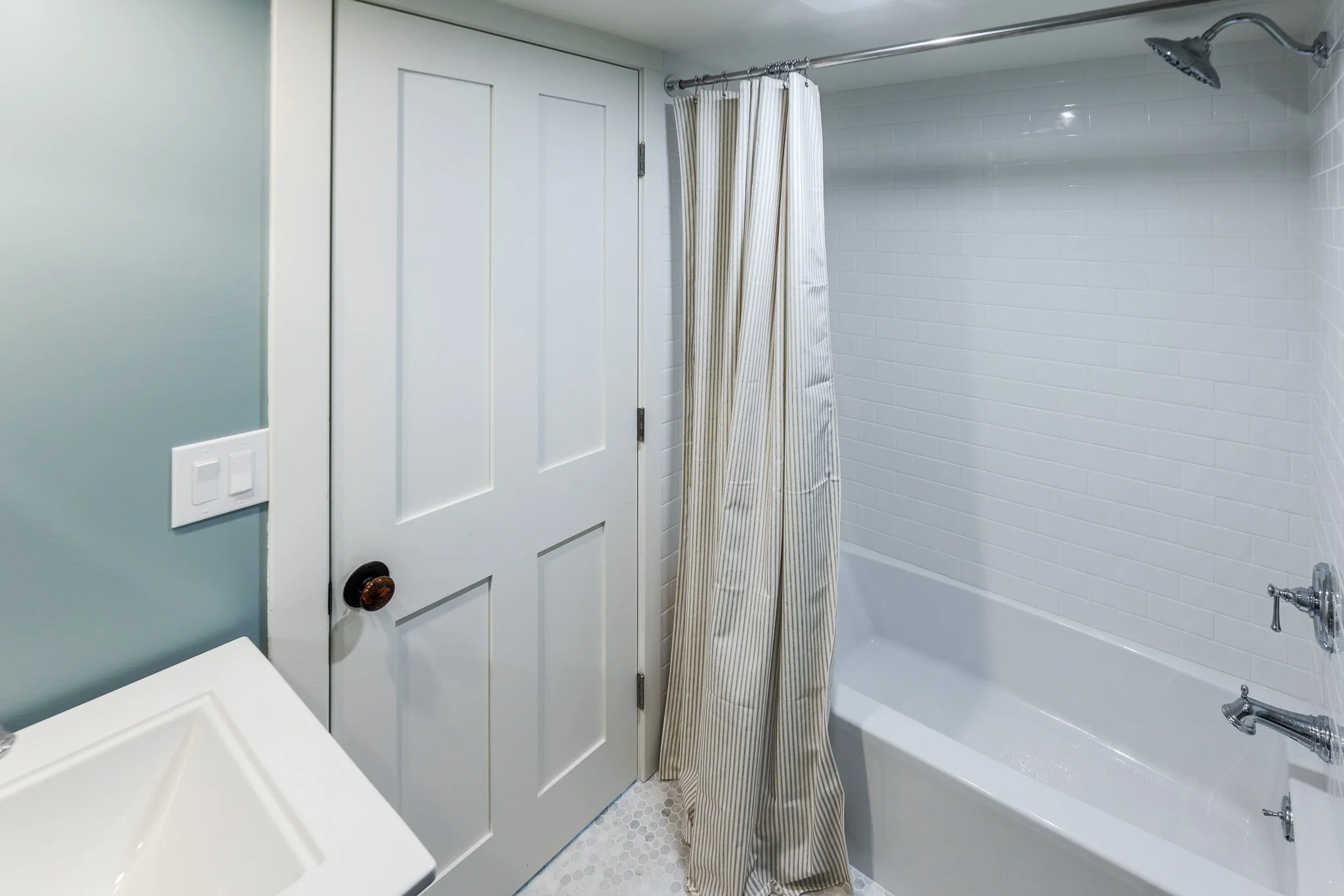
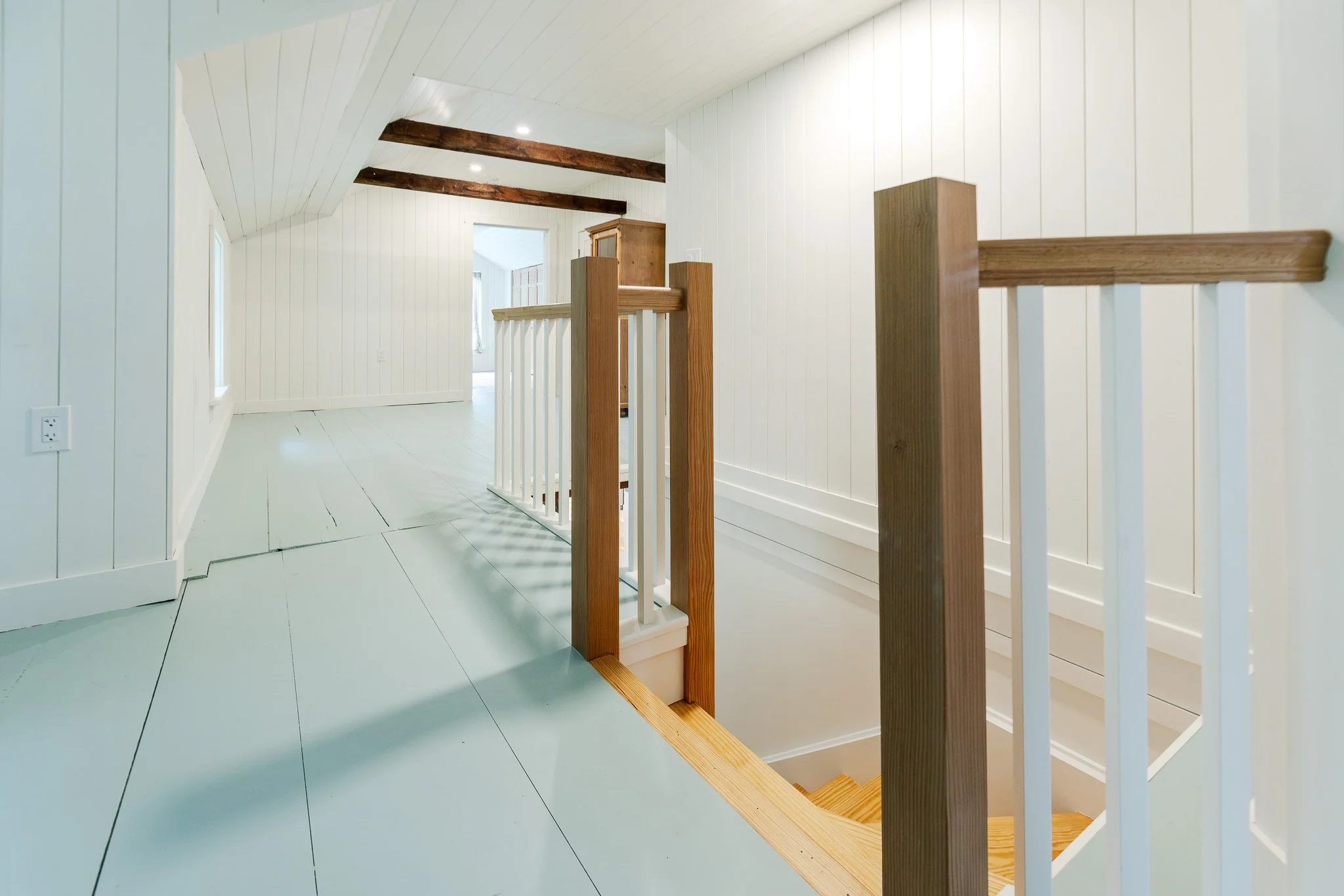
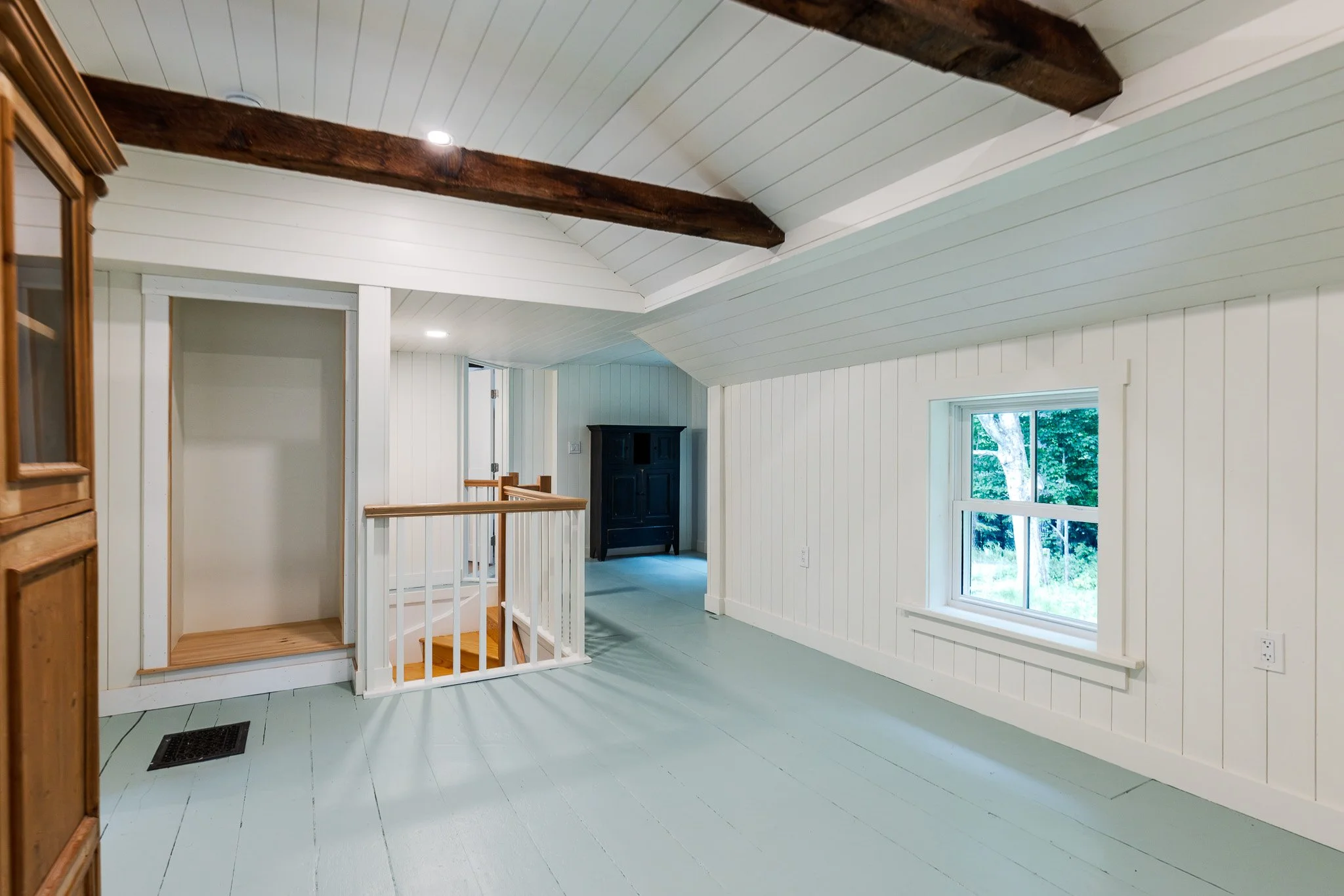
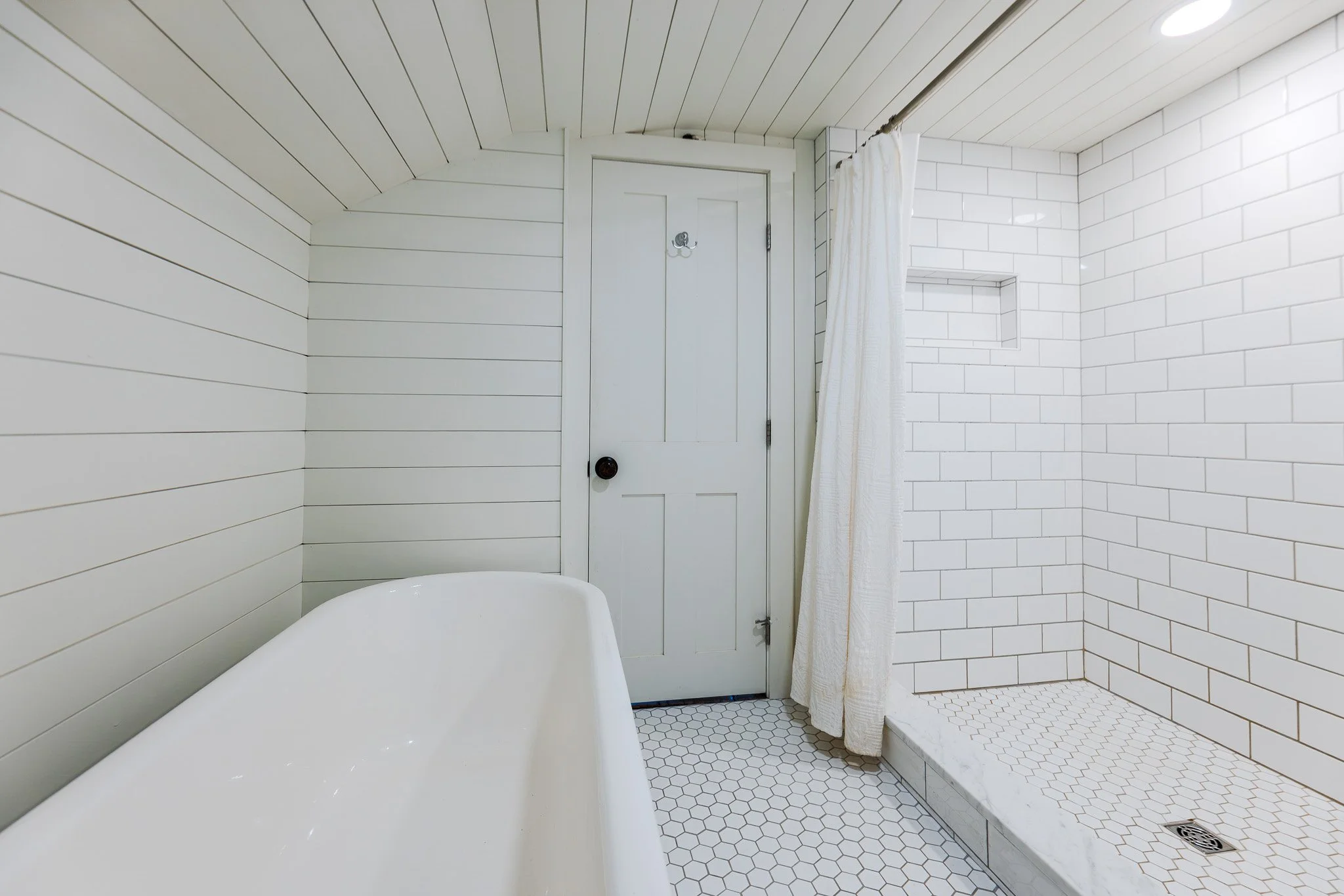
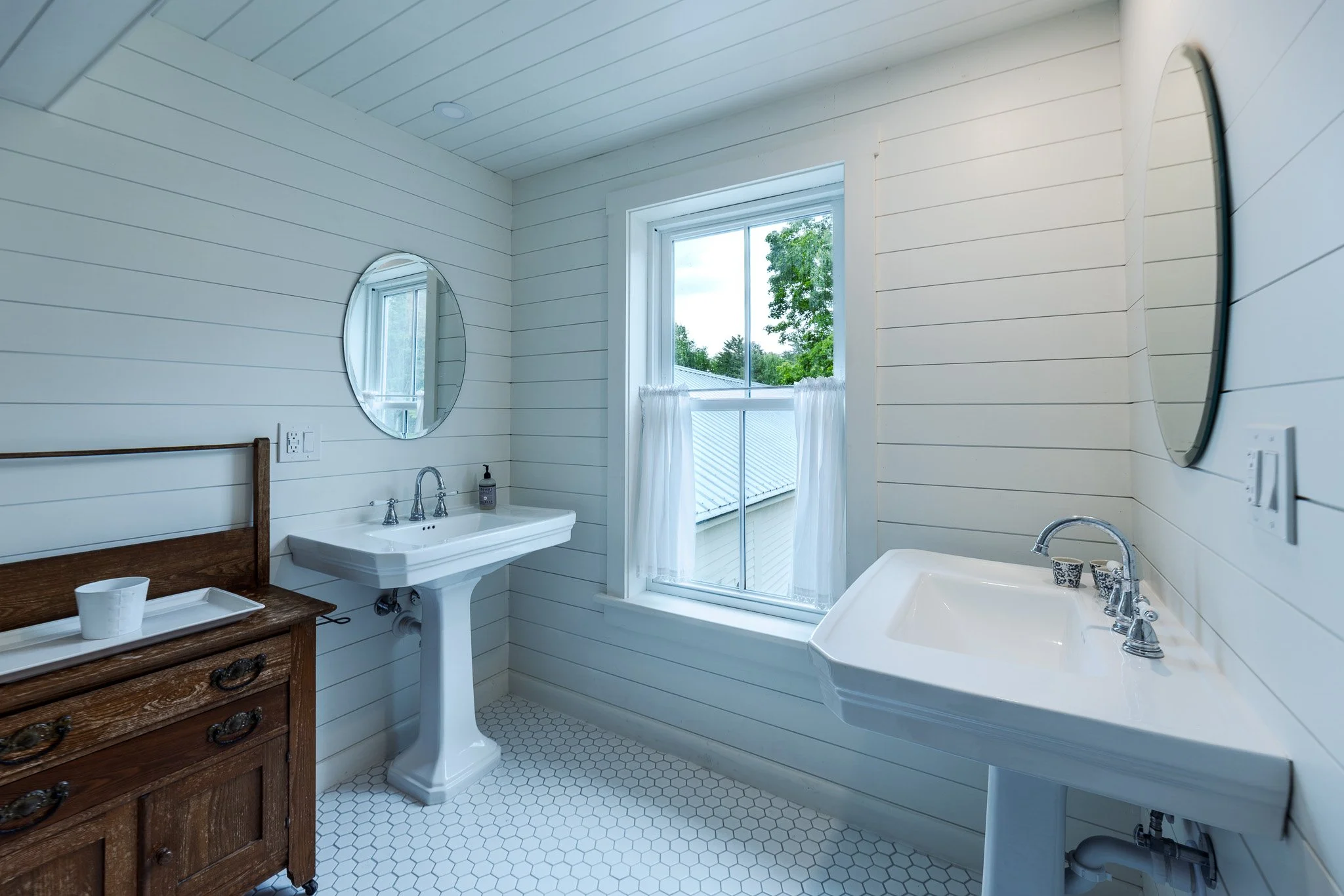
One-level living comes easy with a main-floor bedroom and full bath, while upstairs two more bedrooms share a renovated bath with walk-in shower and claw-foot tub for long soaks. When the weather turns, the Jøtul woodstove does what a woodstove should - pulls the whole house in close, while you watch the snow fall outside.
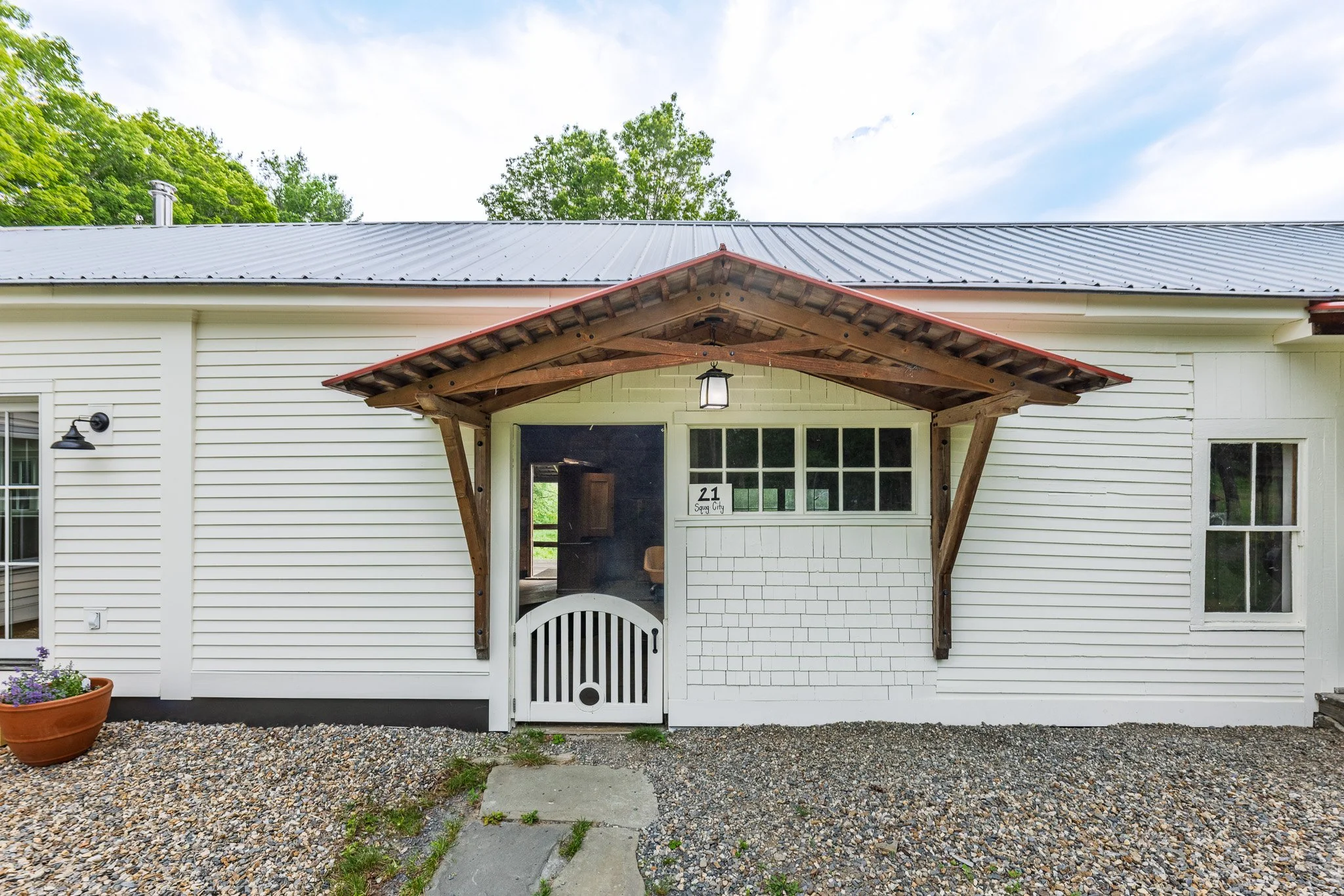
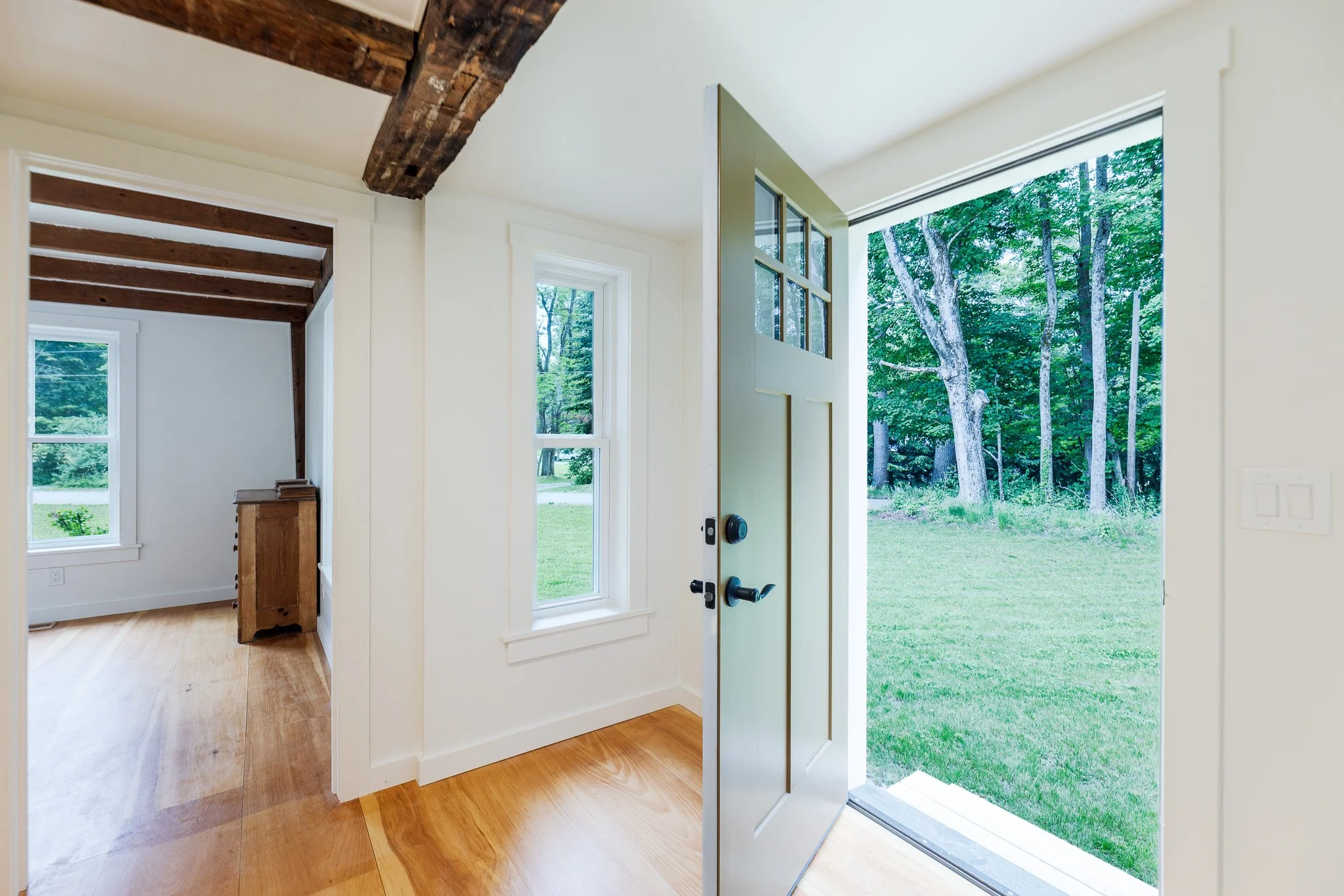
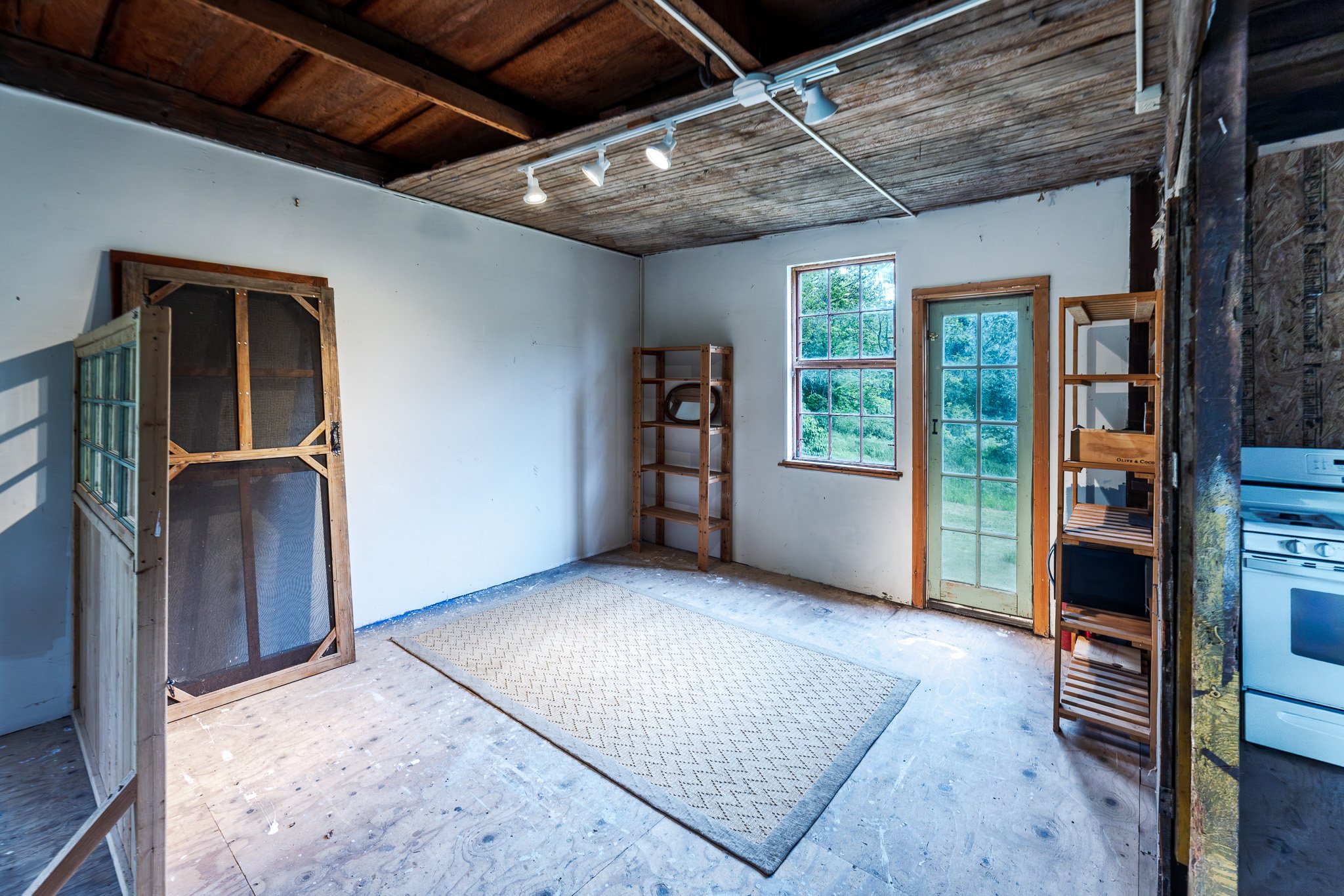
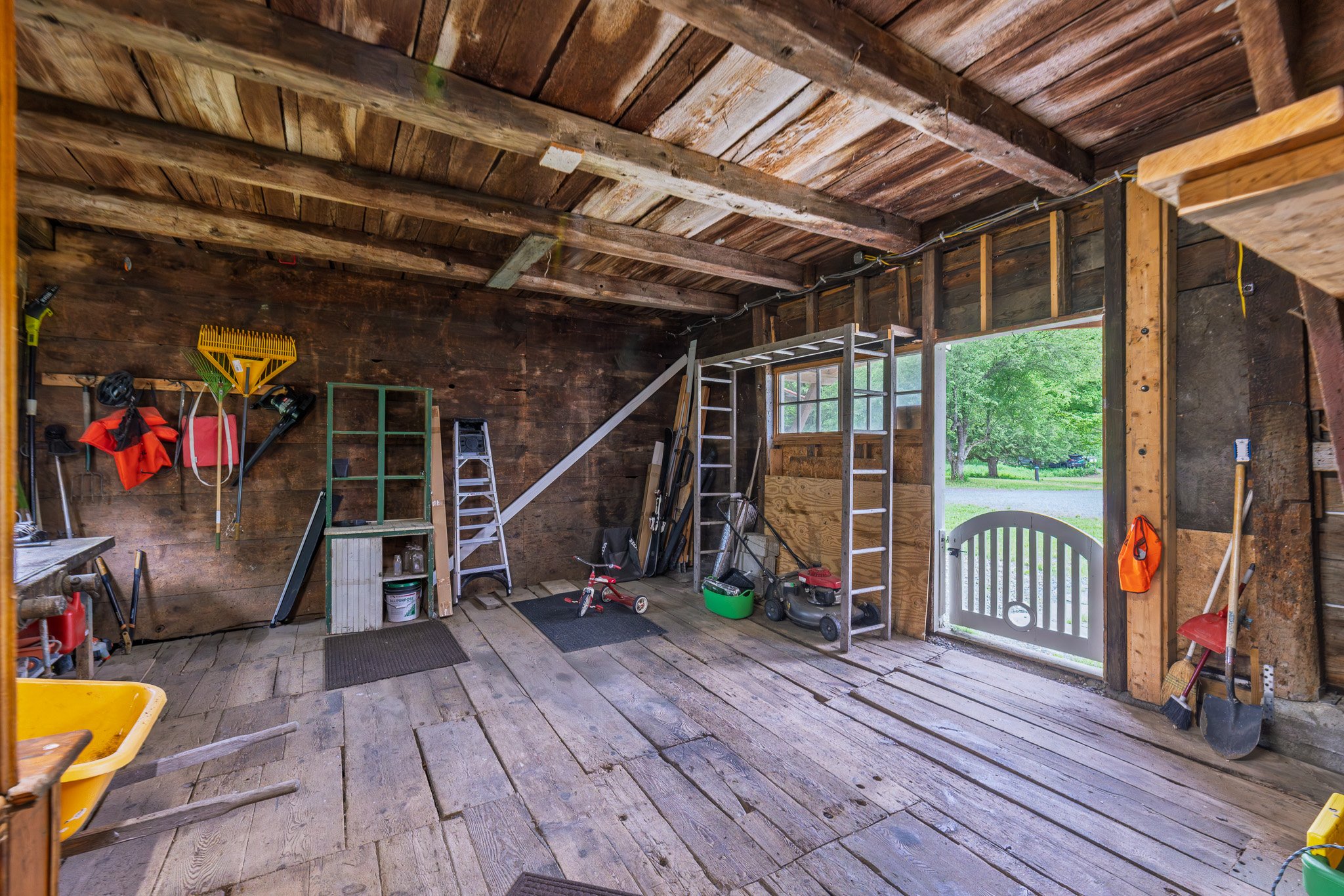
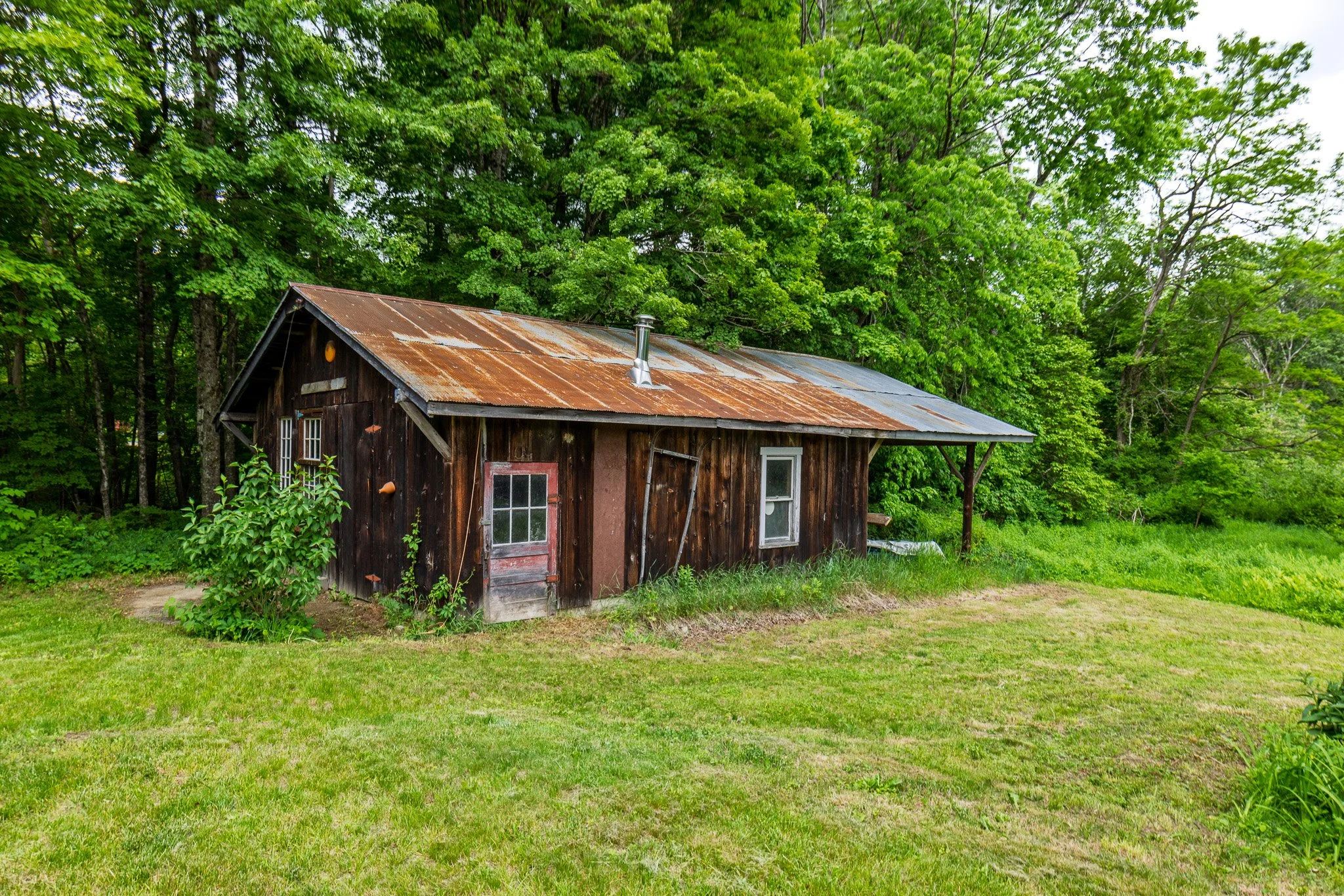
The storied, work-worn barn anchors the home's ell and welcomes you to the mudroom. Tucked away at the end of the ell is a simple studio space - a place that invites imagination, whether envisioned as a workshop, a creative haven, or private guest quarters apart from the main home.
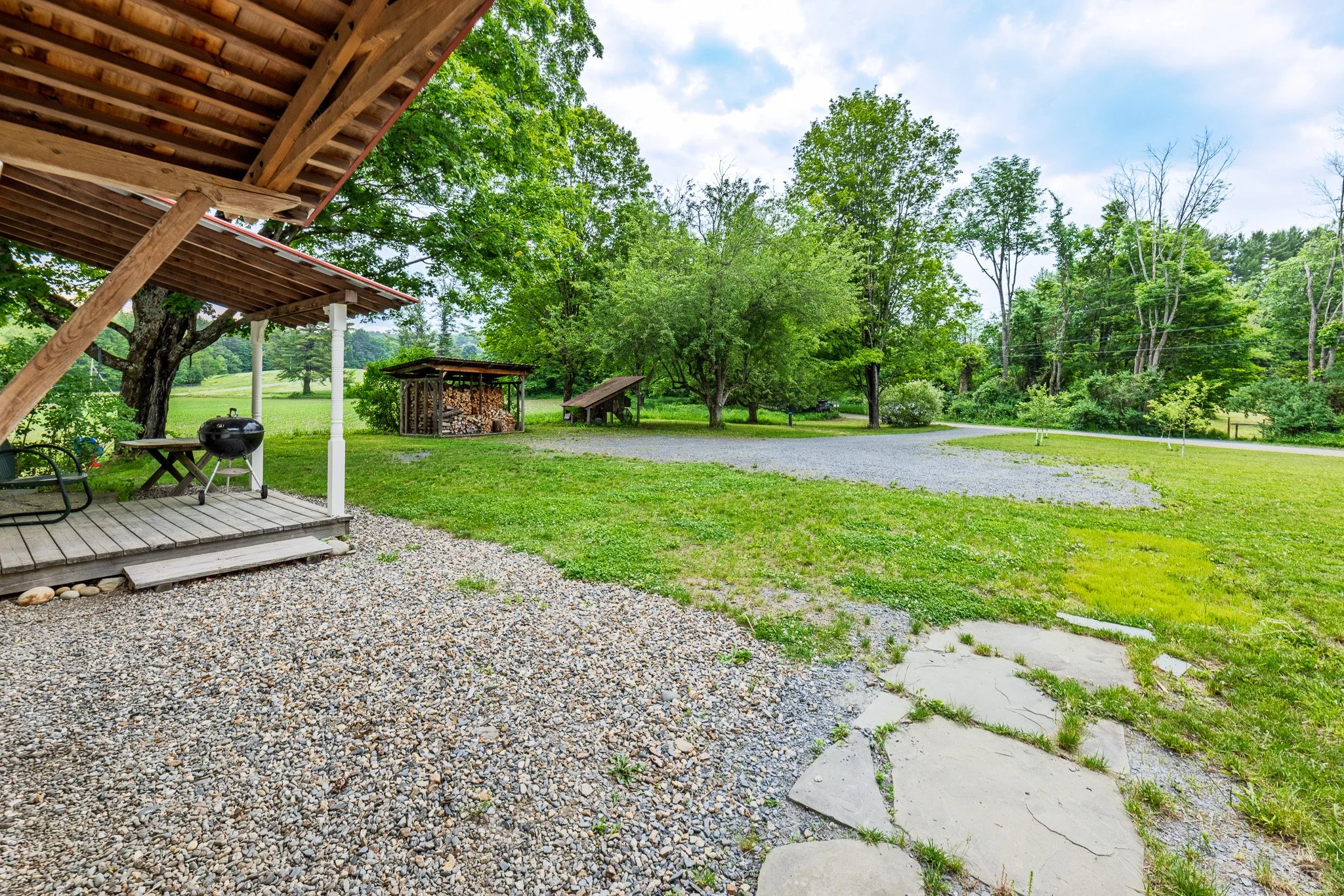
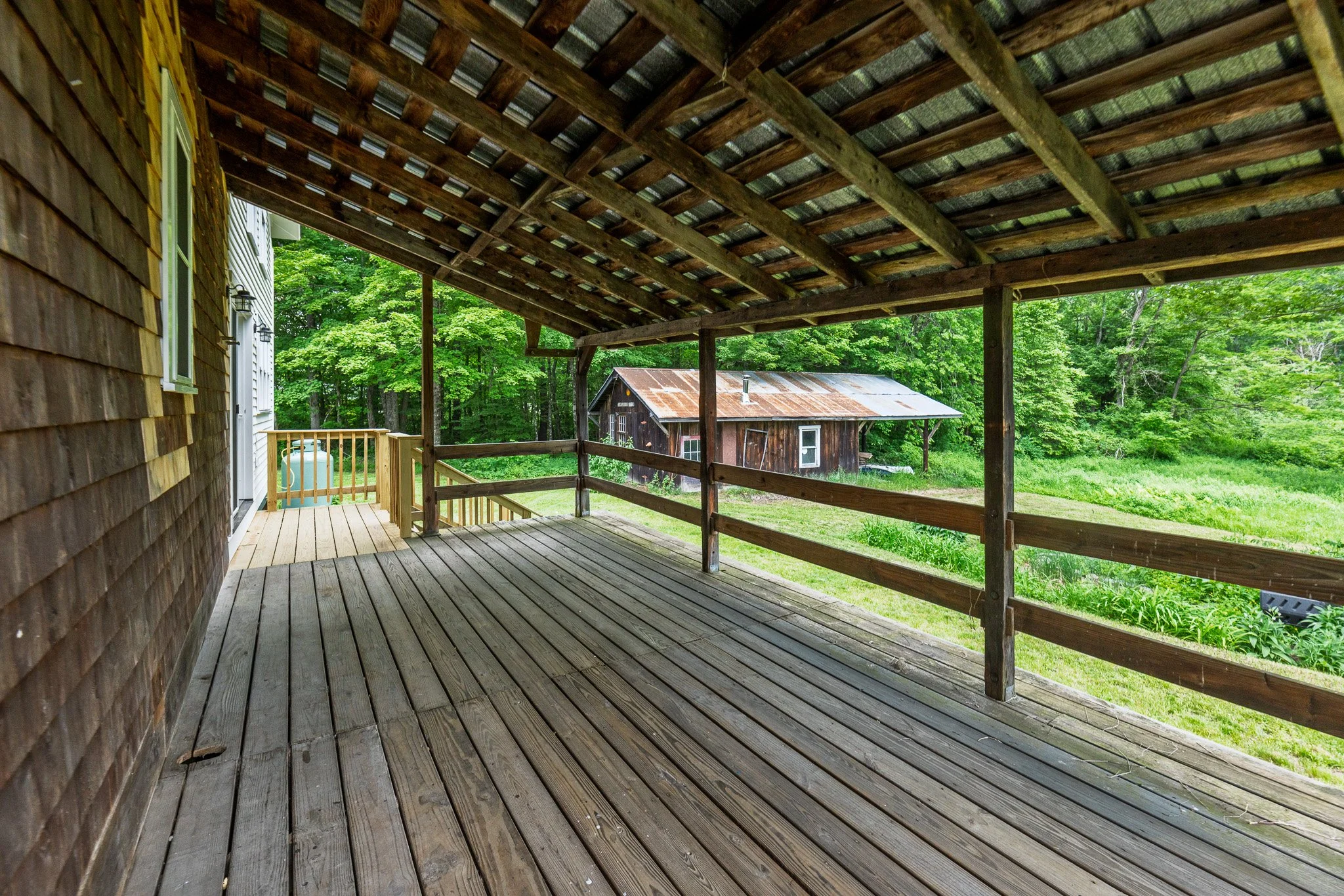
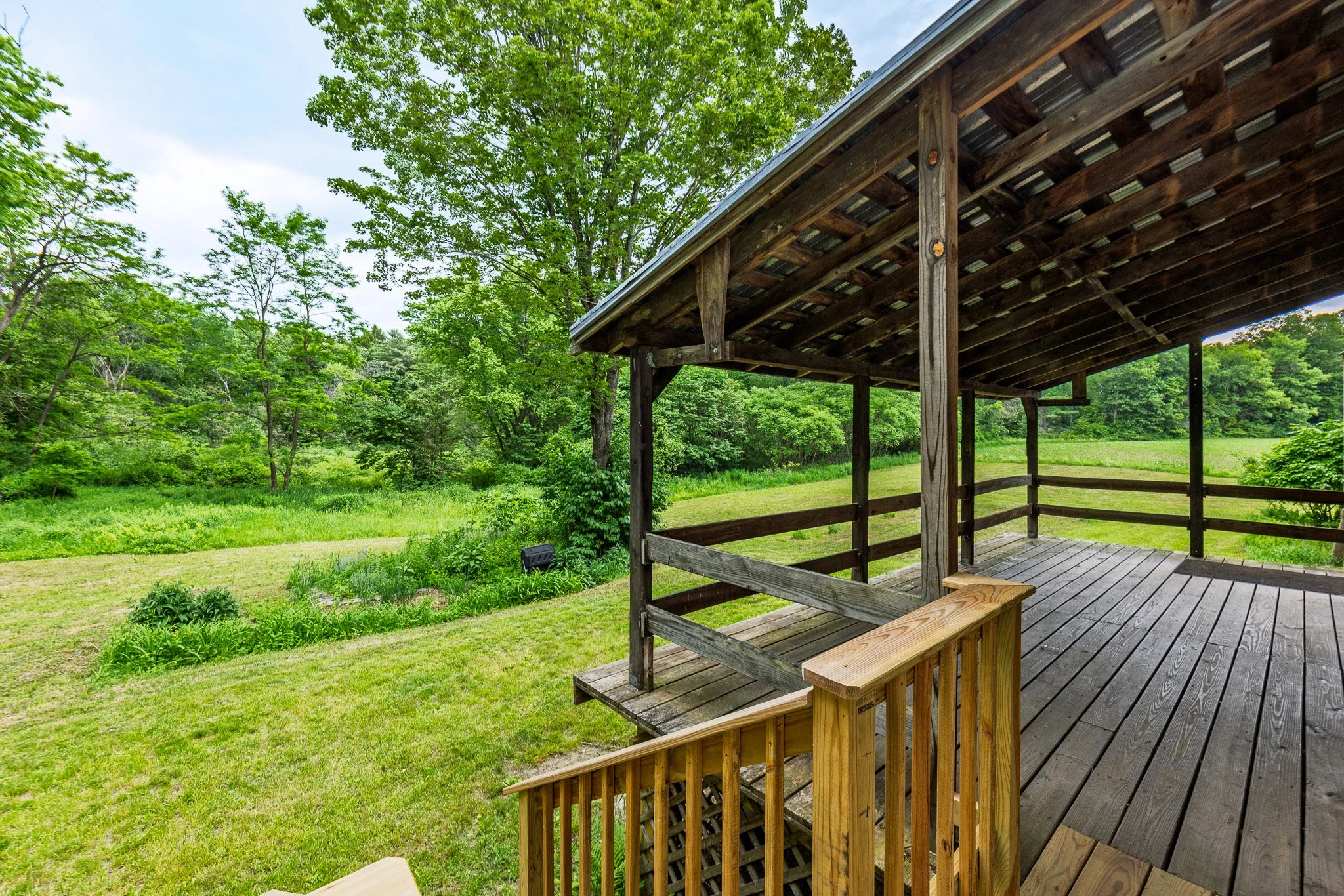
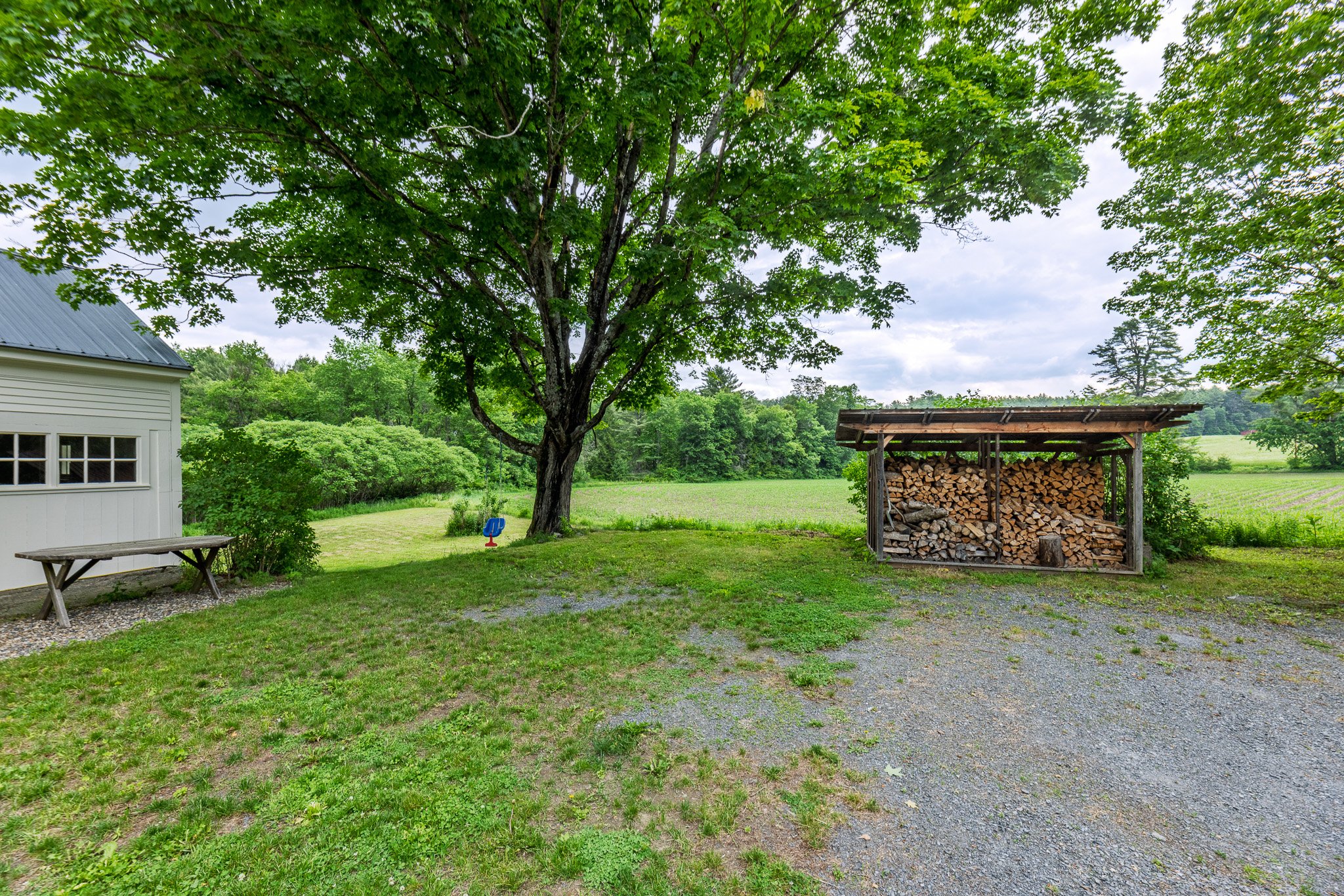
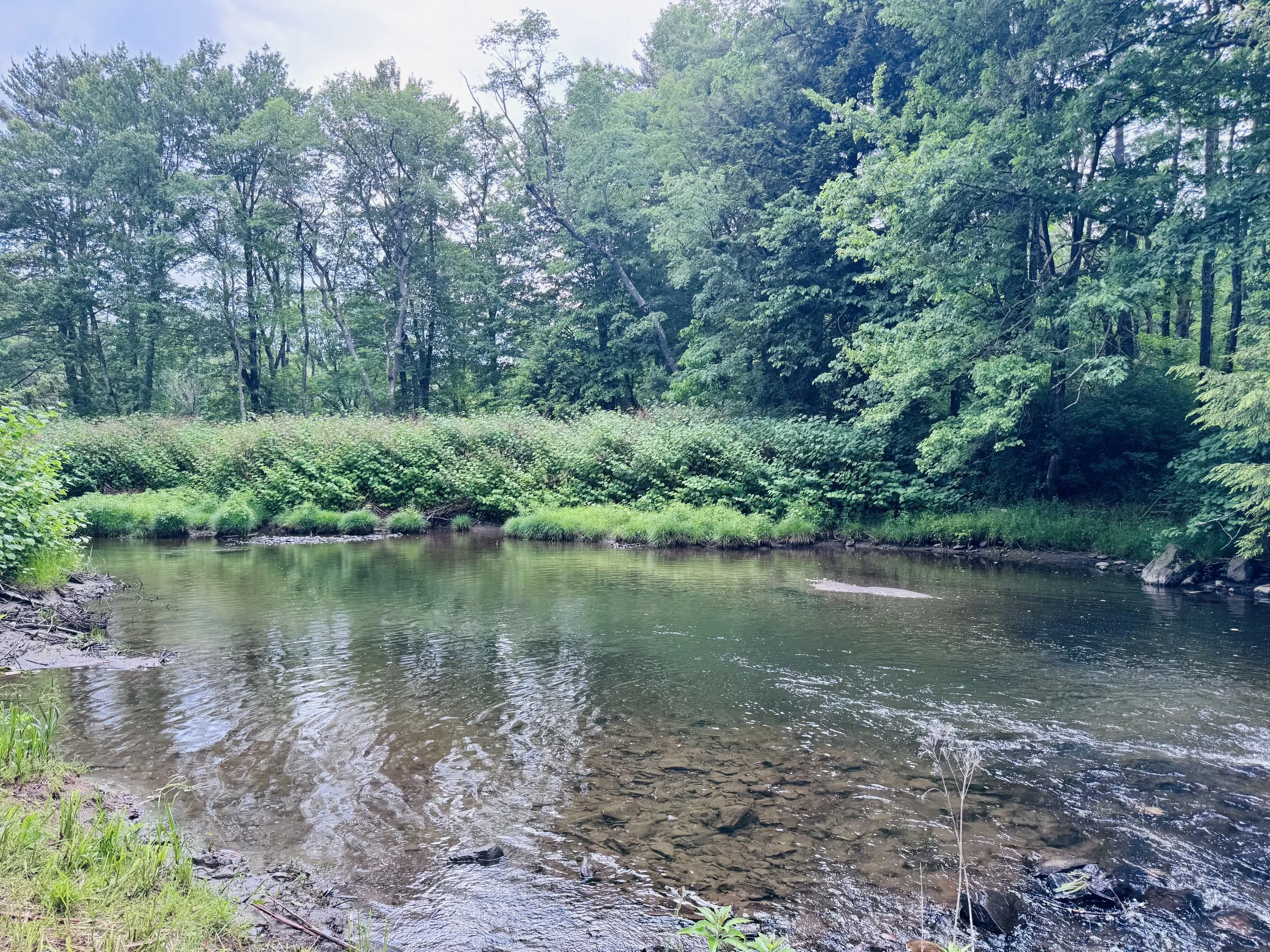
Outside, the landscape unfolds with a sense of abundance. Mornings begin on the covered deck with coffee in hand and the sound of the Blow-Me-Down Brook winding its way along the property's edge. On warm summer afternoons, a beloved swimming hole offers a refreshing escape, while the historic Blow-Me-Down Covered Bridge stands as a timeless backdrop to daily life. For those drawn to hiking, the Top-of-the-World trails are just up the road, offering scenic views of Ascutney. A chicken coop, apples trees and blueberry bushes, garden space, and acres of tillable field offer the opportunity to cultivate a more connected way of living.
This farmhouse offers an opportunity to embrace the beauty, creativity, and quiet pleasures of life in this beautiful corner of New England and the Upper Valley.
Summary Details
Farmhouse Built-In 1789
3 Bedrooms + 2 Full Baths
2,618 Finished SQ.FT. (approximate)
Heat: Force Hot Air
Fuel: Oil
Jotual Woodstove
Foundation: Stone & Concrete Block
Siding: Clapboard
Roof: Metal
Drilled Well
Septic System (New 2018)
5.25 Acres
Taxes (2025): $8,595
Floor Plans


About Cornish
Cornish, New Hampshire, established in 1763, was originally known as Mast Camp, a key shipping point for the tall masts floated down the river by English settlers. Incorporated in 1765 by Colonial Governor Benning Wentworth, it was named after Sir Samuel Cornish, a distinguished vice-admiral of the Royal Navy.
In the late 19th century, Cornish became a celebrated summer retreat for artists and writers. The renowned sculptor Augustus Saint-Gaudens first visited Cornish in 1885, seeking an escape from the summer heat of New York City. His presence attracted other artists, transforming the area into one of the first artist colonies in the United States. The Cornish Colony flourished, drawing painters, sculptors, decorators, illustrators, architects, landscape designers, novelists, journalists, playwrights, poets, critics, essayists, composers, musicians, theatrical performers, and patrons of the arts, primarily from New York City and Boston.
The creative energy of the colony was inspired by the natural beauty of the river valley and Mt. Ascutney, as well as the unique camaraderie among the artists. Notable figures such as painter Henry O. Walker, architect Charles Platt, illustrator Maxfield Parrish, and art critic Kenyon Cox were among those who established homes in Cornish during the 1890s. Even President Woodrow Wilson spent his summers at Winston Churchill's "Harlakenden House," which served as his summer White House from 1913 to 1915.
Gardens played a significant role in the artistic expression of the colony, with extensive gardens created by Thomas Dewing, Stephen Parrish, and landscape designers like Charles Platt, Ellen Shipman, and Rose Nichols. Saint-Gaudens' home, "Aspet," with its beautifully landscaped grounds, became a focal point of Cornish and now serves as the Saint-Gaudens National Historical Park. The site offers summer lawn concerts, theater presentations, and tours of the studios where the famous sculptor and his students worked.
Today, Cornish residents continue to enjoy the town's charming scenery, nestled among hills, valleys, peaceful farms, and riverbanks along the Connecticut River. The historic Cornish–Windsor Covered Bridge, once the longest covered bridge in the U.S., spans the Connecticut River between Cornish and Windsor, Vermont. Outdoor enthusiasts can explore the Cornish Town Forest, with its extensive trail network and breathtaking views from Wellmans Hill.
The area is also known for its local farms, such as Edgewater Farm and Riverview Farm, which offer seasonal produce, pick-your-own strawberries and blueberries, and events like "dinners in the orchard." Mac's Maple, located along the riverbank, is famous for its maple soft-serve ice cream and dairy products. In the fall, the landscape is dotted with yellow corn and bright orange pumpkins, adding to the region's picturesque charm.
Cornish is conveniently located near Kimball Union Academy, a private preparatory school, and is just minutes away from Lebanon, Hanover, Dartmouth College, and the Dartmouth-Hitchcock Medical Center, making it a perfect blend of history, culture, and natural beauty.